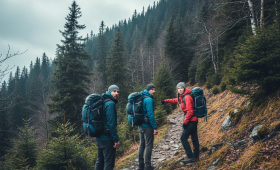
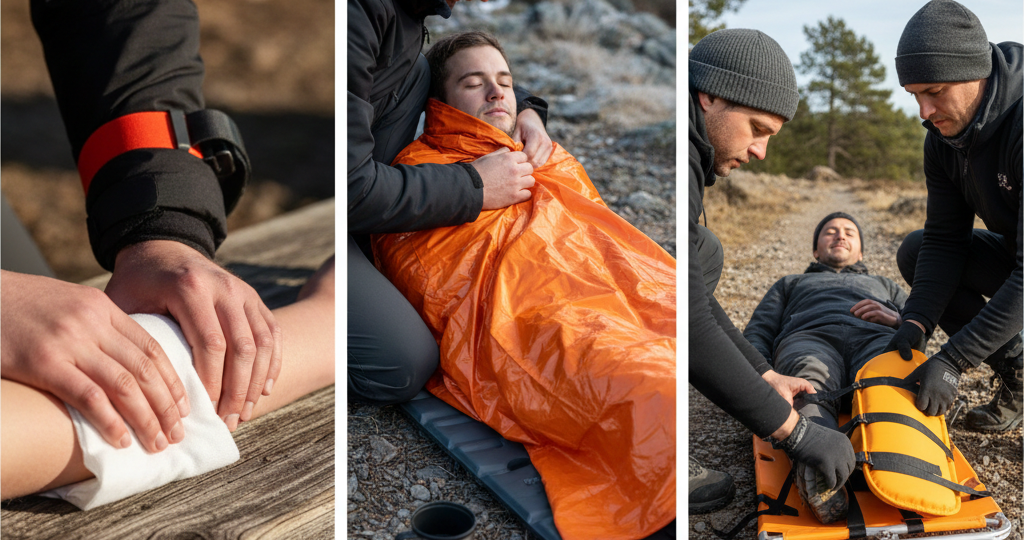
Responsibility and leadership
This chapter establishes that responsibility in the mountains is indivisible: each member is responsible for themselves, but the leader is responsible for the group as a whole.
Key ideas:
Leadership is not authority, it is service.
A competent leader:
1. Anticipates problems
2. Listens to the group
3. Makes decisions even when they are unpopular
4. Leadership based on ego or obsession with reaching the summit is criticized.
Safety
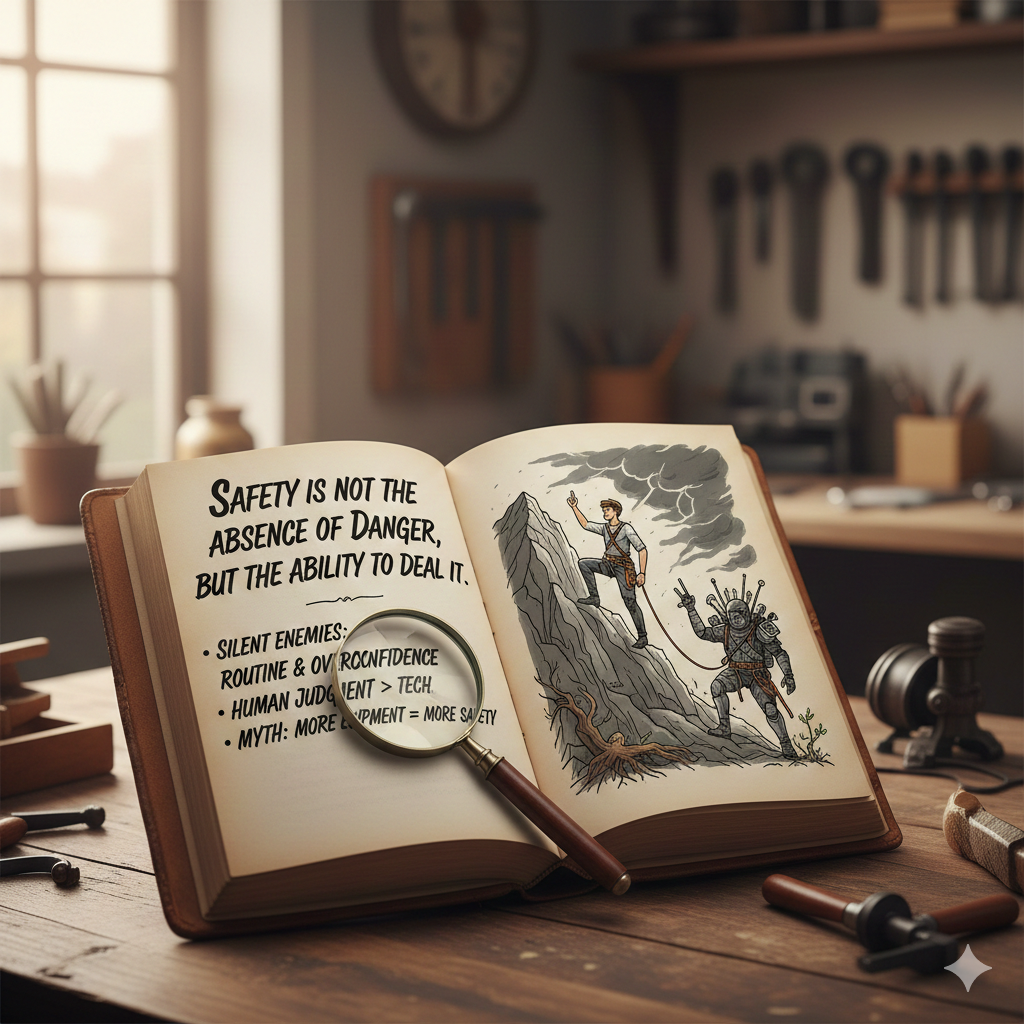
Here, the book makes it clear that safety is not the absence of danger, but the ability to deal with it.
Key points:
Routine and overconfidence are presented as silent enemies.
Real safety depends more on human judgment than on technical equipment.
The myth that “more equipment/more safety” is debunked.
First aid
First aid
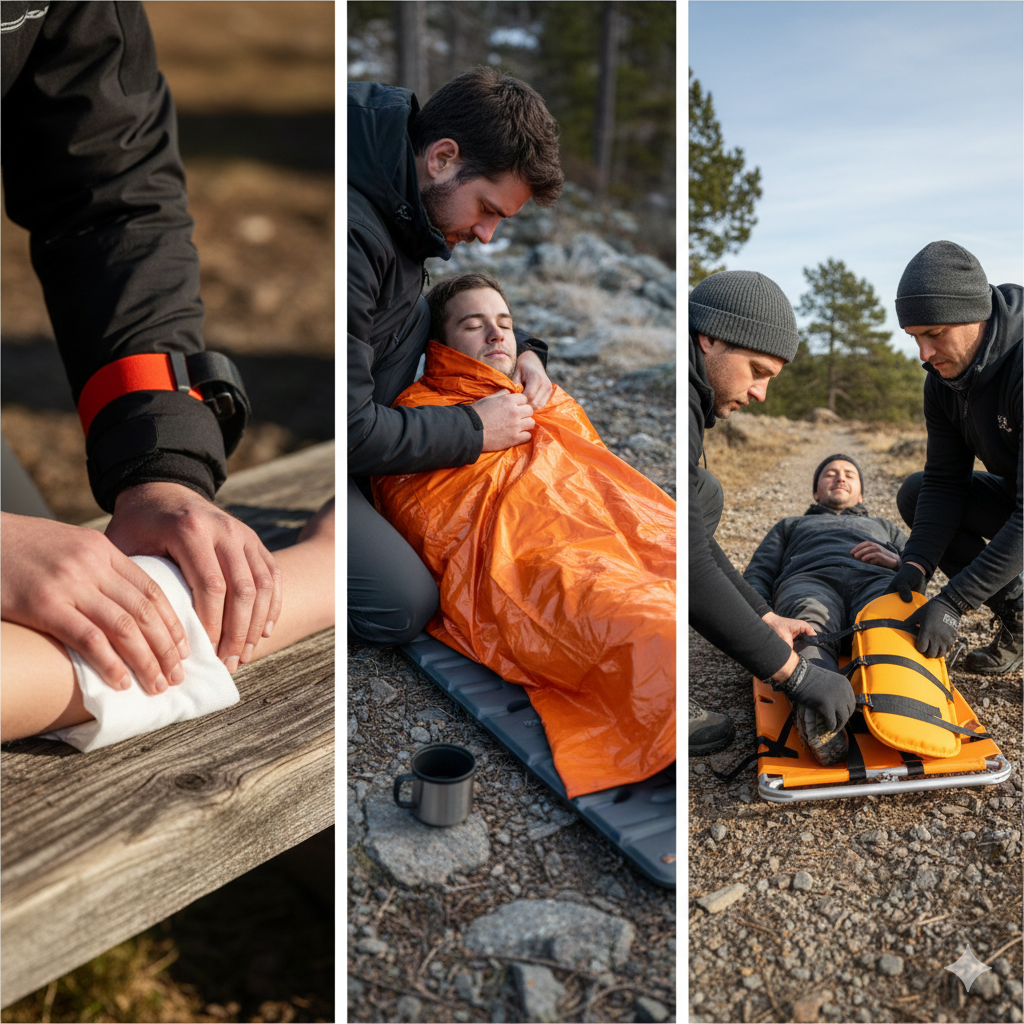
This chapter focuses on acting simply and effectively, not on complex procedures.
Essential aspects:
Emotional self-control is emphasized as part of providing assistance.
Absolute priority: keep the person alive, not “cure” them.
Importance of:
o controlling bleeding
o preventing hypothermia
o immobilizing correctly
Descripción de este bloque. Utiliza este espacio para describir tu bloque. Cualquier texto es válido. Descripción de este bloque. Puedes utilizar este espacio para describir tu blue.
The Alpine Rescue
Key points:
It is emphasized that:
1. rescue always involves risk to others
2. prevention is more ethical than relying on rescue
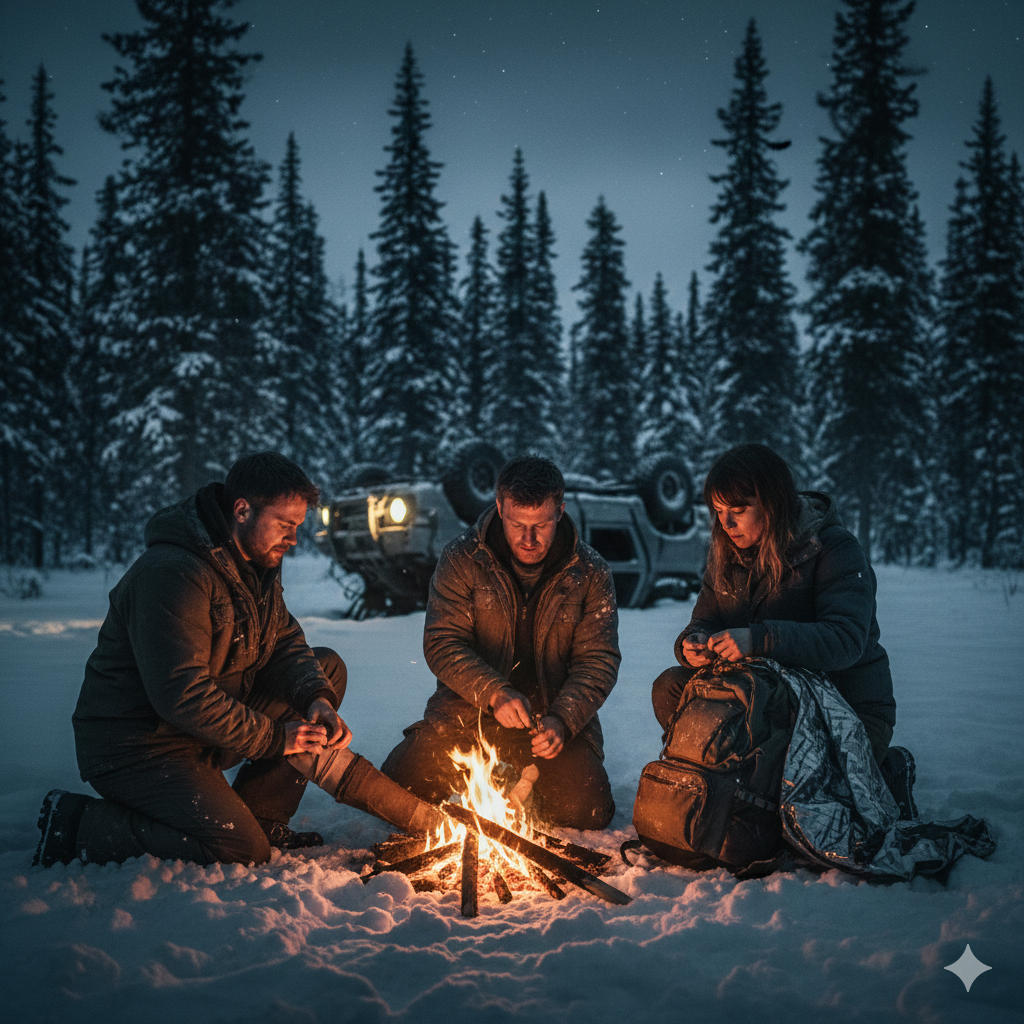
Rescue is neither immediate nor guaranteed.
Often, the group must resolve the situation without outside help.
Cox, J., & Fulsås, K. (2004). Montañismo: La libertad de las cimas (7.ª ed.). Desnivel.