In the mountains, clothing isn’t about fashion—it’s about survival and performance
Did you know your clothing can be the difference between enjoying the summit… or turning back too soon?
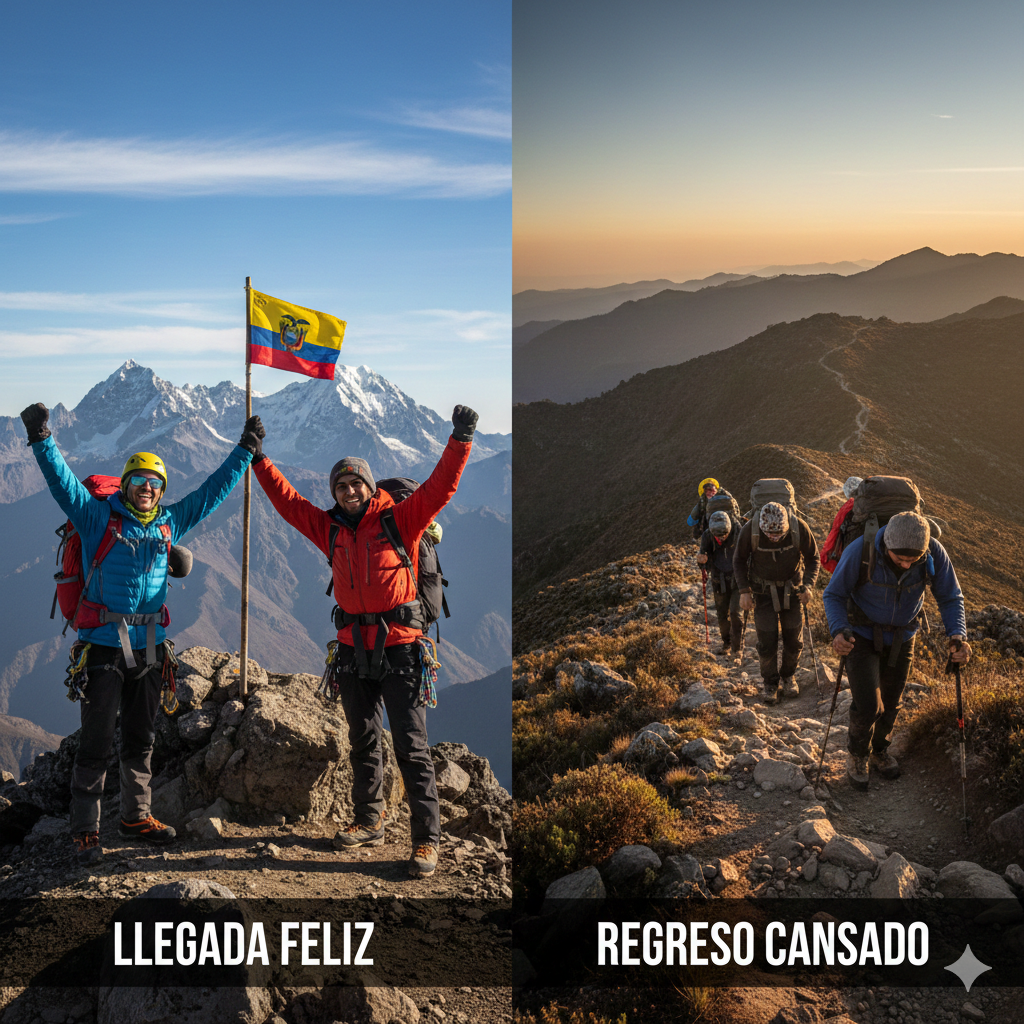
The body generates heat as it moves, but it can lose that heat quickly due to wind, moisture, and poor sweat management. For this reason, clothing must serve three key purposes: insulation, breathability, and protection from the elements.
It’s important to stay warm from the start of the activity, but overdressing can cause excessive sweating, which eventually cools the body. To prevent this, the layering system is used, allowing better control of body temperature.
Base Layer (Next to the Skin)
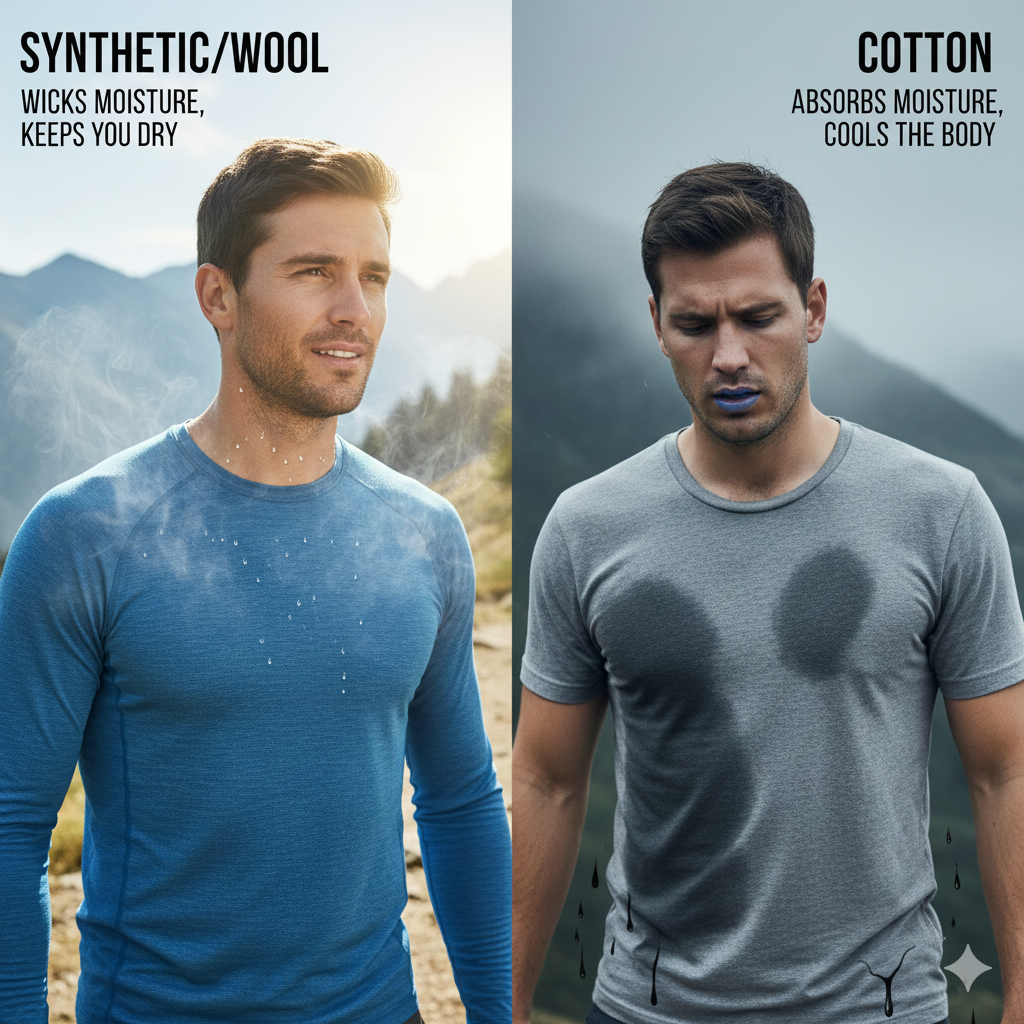
This first layer helps move sweat away from the body, keeping the skin dry. It is recommended to wear garments made from wool or synthetic fibers.
Cotton is not suitable, as it retains moisture and cools the body. Wearing damp clothing leads to rapid heat loss, even in moderate temperatures.
Mid Layer (Insulation)
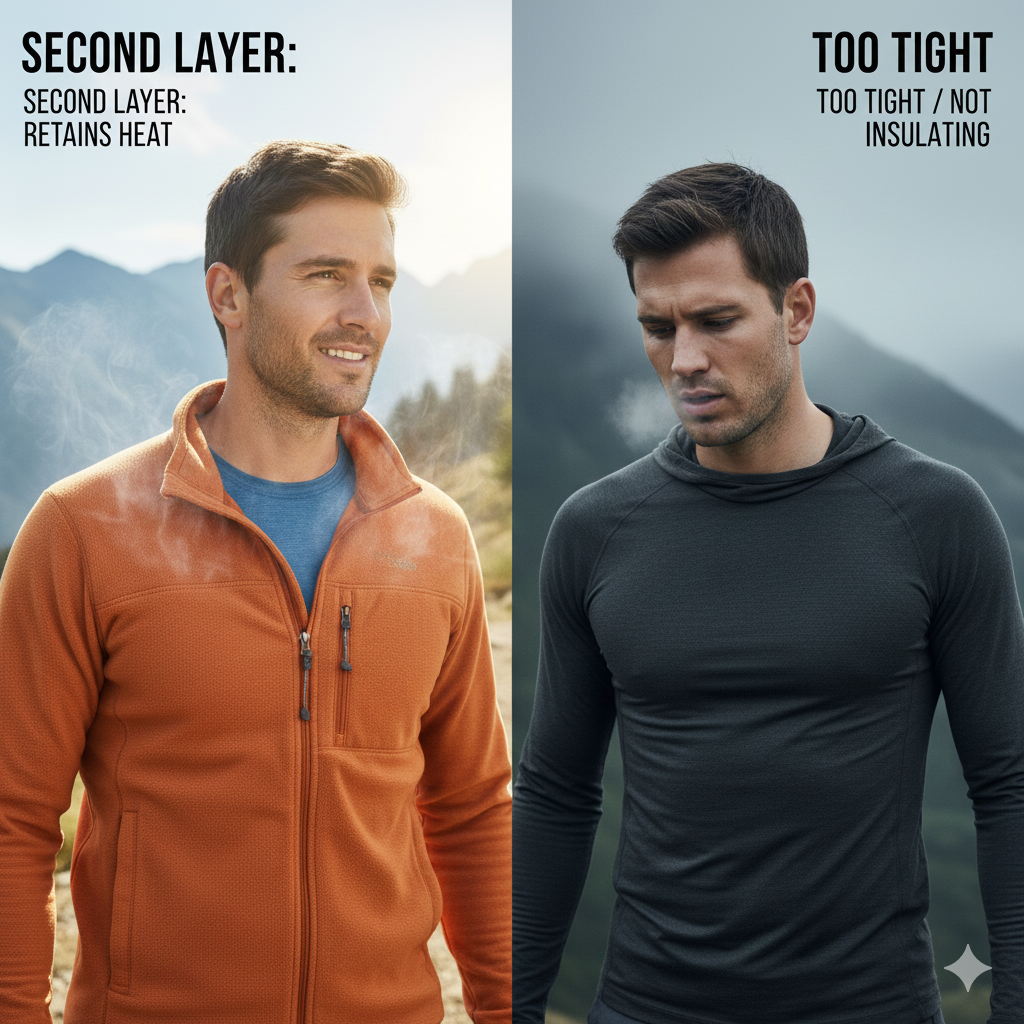
The second layer is designed to retain the heat generated by the body. Fleece layers or lightweight insulated jackets are recommended.
It’s important that these garments are not too tight and can be easily put on and taken off, allowing you to adjust to changes in effort and temperature
Outer Layer (Protection)
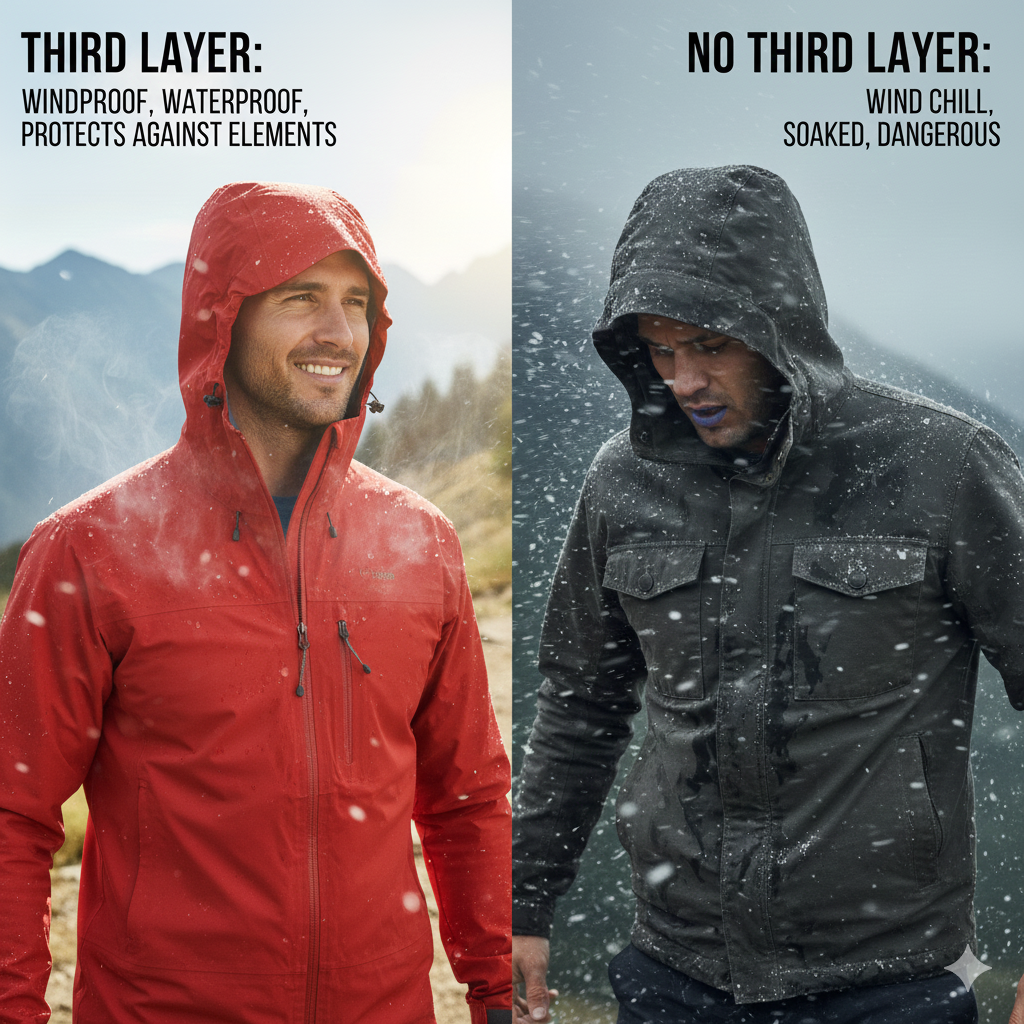
This third layer protects against wind, rain, and snow. It is recommended to wear garments that are windproof, waterproof, and resistant to wear.
It’s important to remember that wind is almost always present during hikes, sometimes stronger than expected. Wind can cause rapid heat loss and make it difficult to continue the activity, which is why proper protection against this thermal enemy is essential at high altitude.
“Essential Gear for Hiking and Ascents”
Hiking Boots:
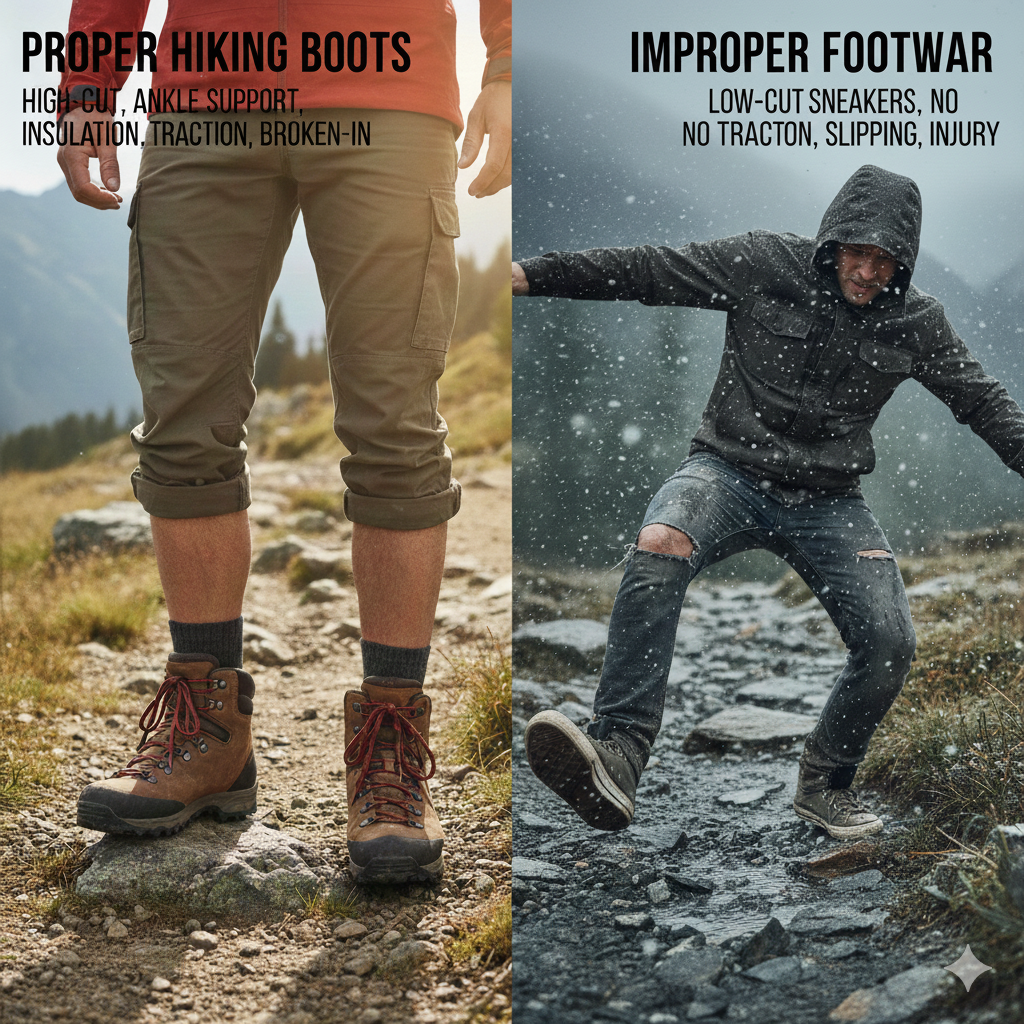
These should be high-cut to provide ankle support, insulation from the cold, and good traction. It’s important to wear them before any hike or ascent to break them in. This helps prevent foot injuries and blisters, which can make it difficult—or even impossible—to complete the hike or climb.
Backpack:
A backpack is not just for carrying gear; it must also allow proper weight distribution. Carrying a pack that is too large or too heavy can lead to rapid fatigue. It’s also important to have quick access to the equipment you need.
Remember: a proper fit means less fatigue and a better chance of reaching the summit.
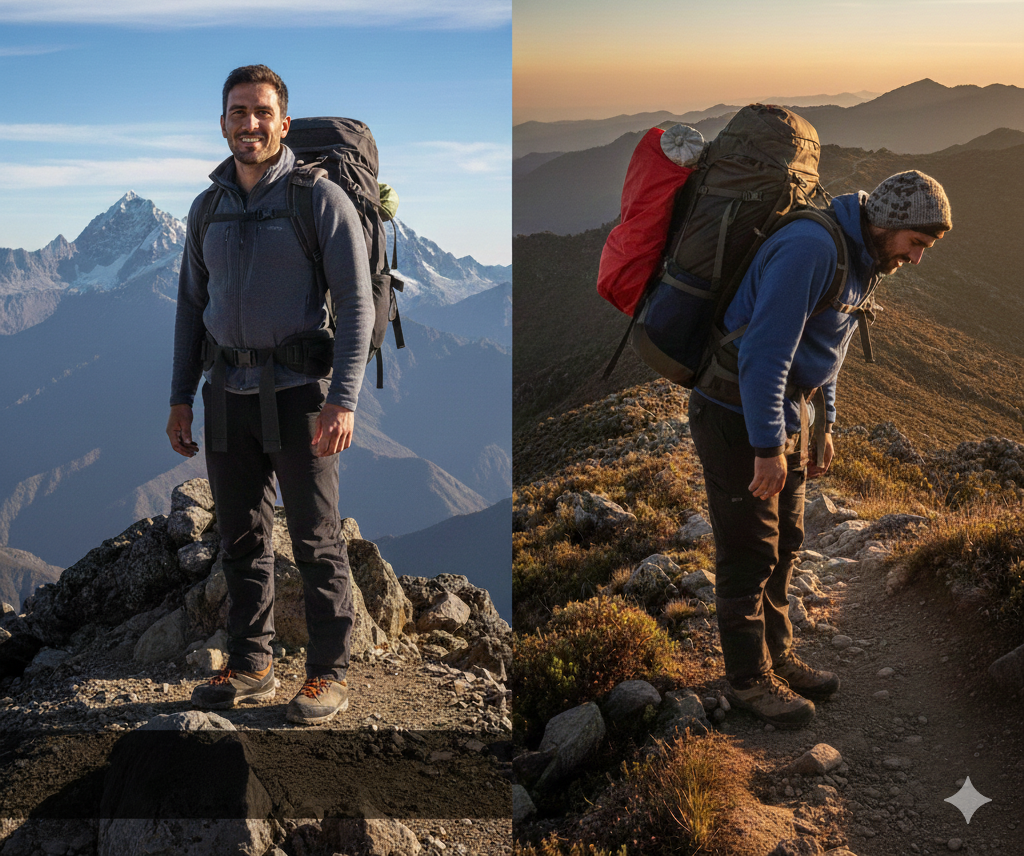
Small Accessories, Big Difference
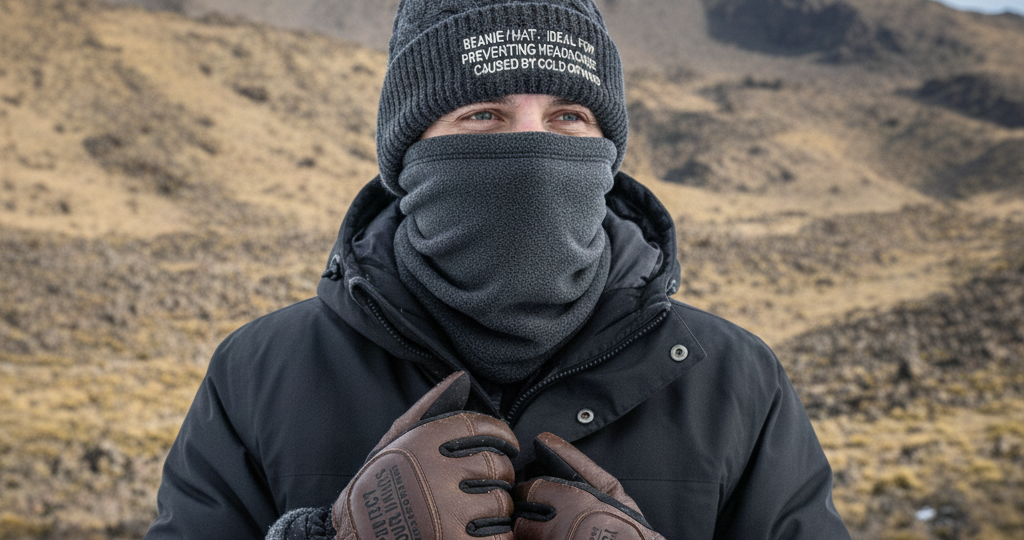
Keep in mind that a large amount of body heat is lost through the head and extremities.
Depending on the type of hike, it may be necessary to carry extra dry clothing to change into if needed.
Before starting any hike, adjust your clothing properly, avoid excessive sweating during the ascent, and—most importantly—prioritize function over appearance.
Key idea: in the mountains, fewer mistakes mean greater safety.
Additional Gear for Glacier or Winter Ascents
Crampons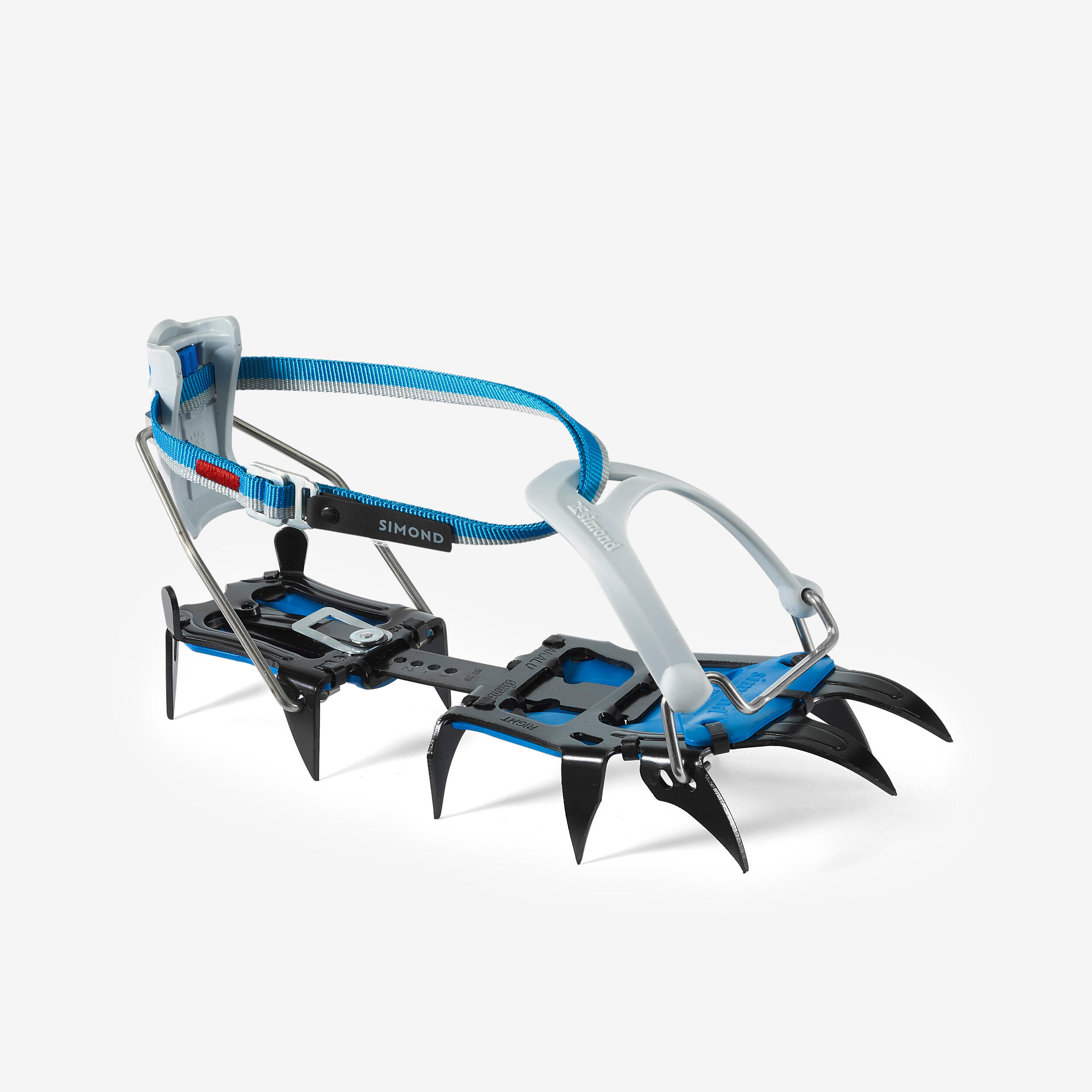 | Pair of Gaiters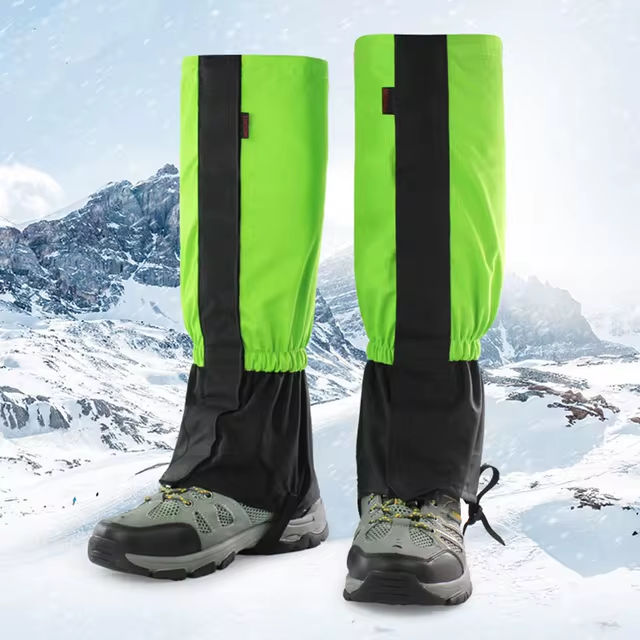 | Carabiners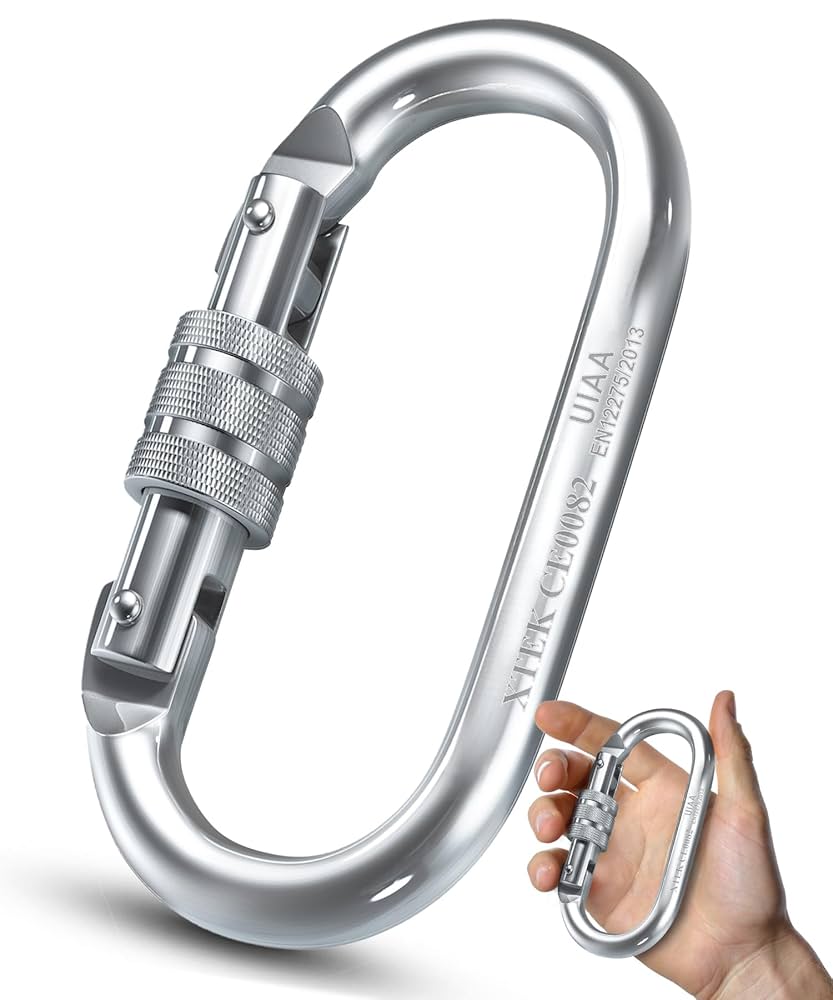 | Head Lamp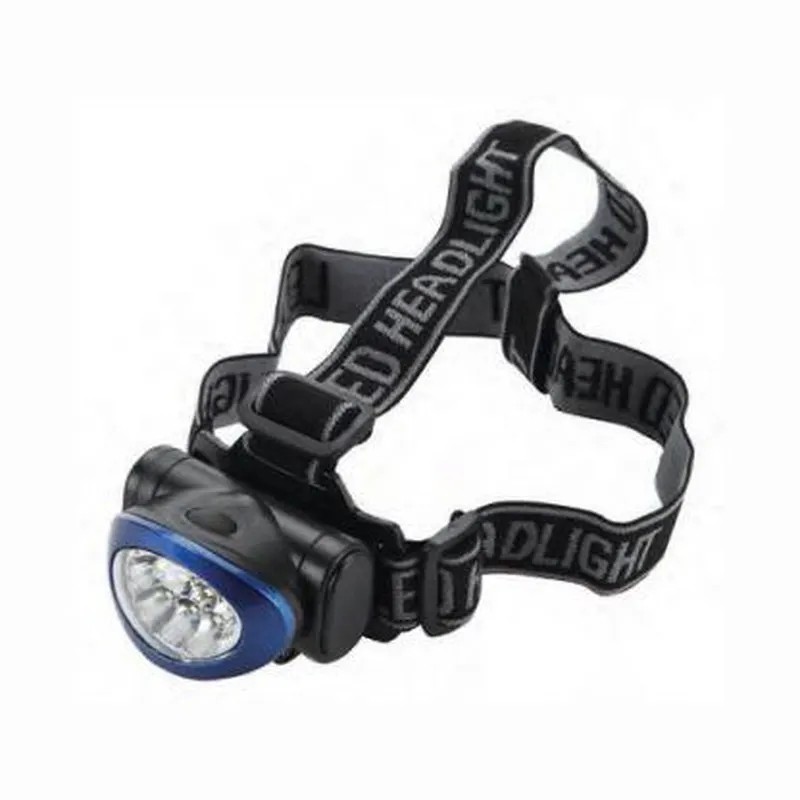 | Raven Ice Axe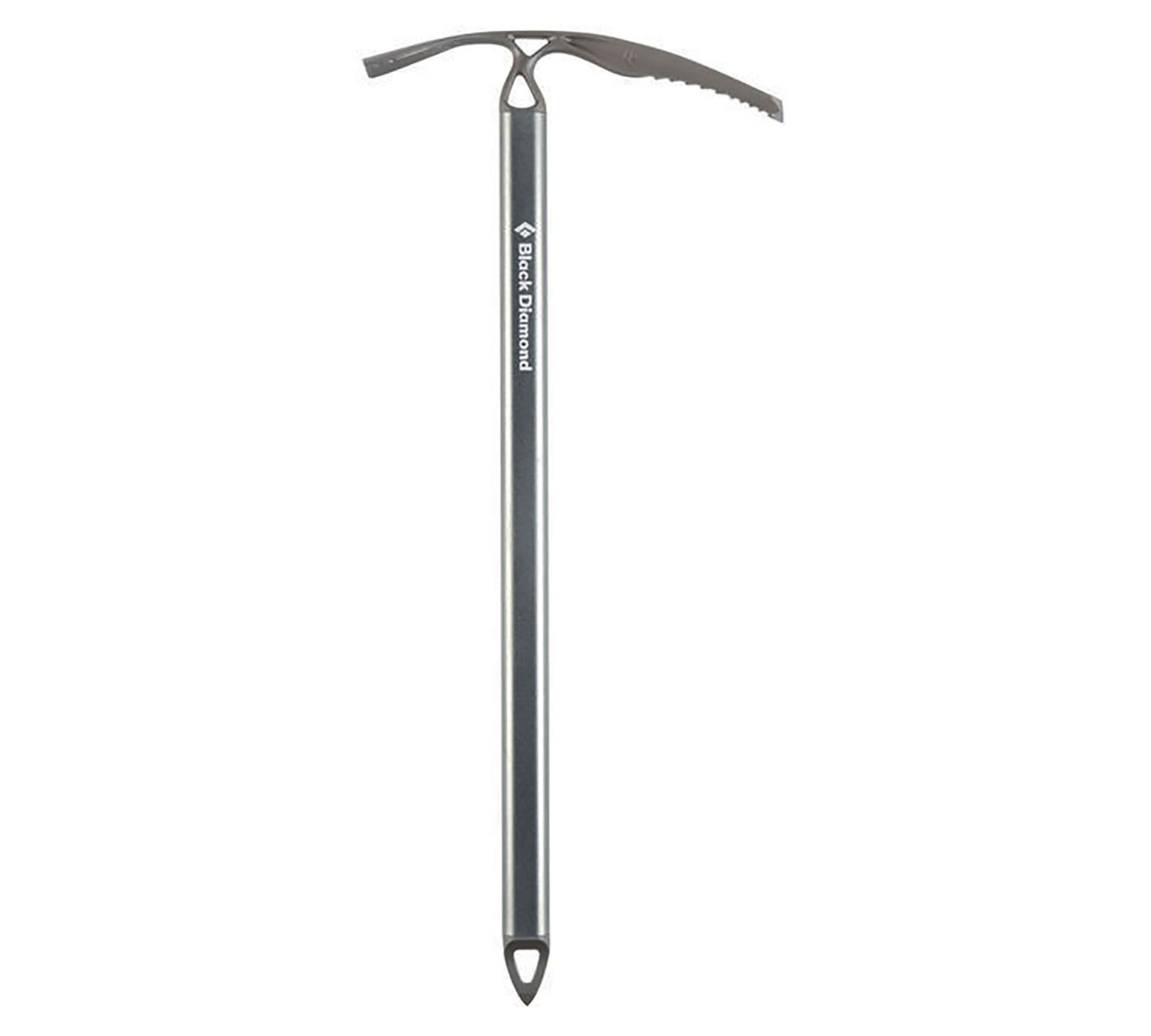 |
Harness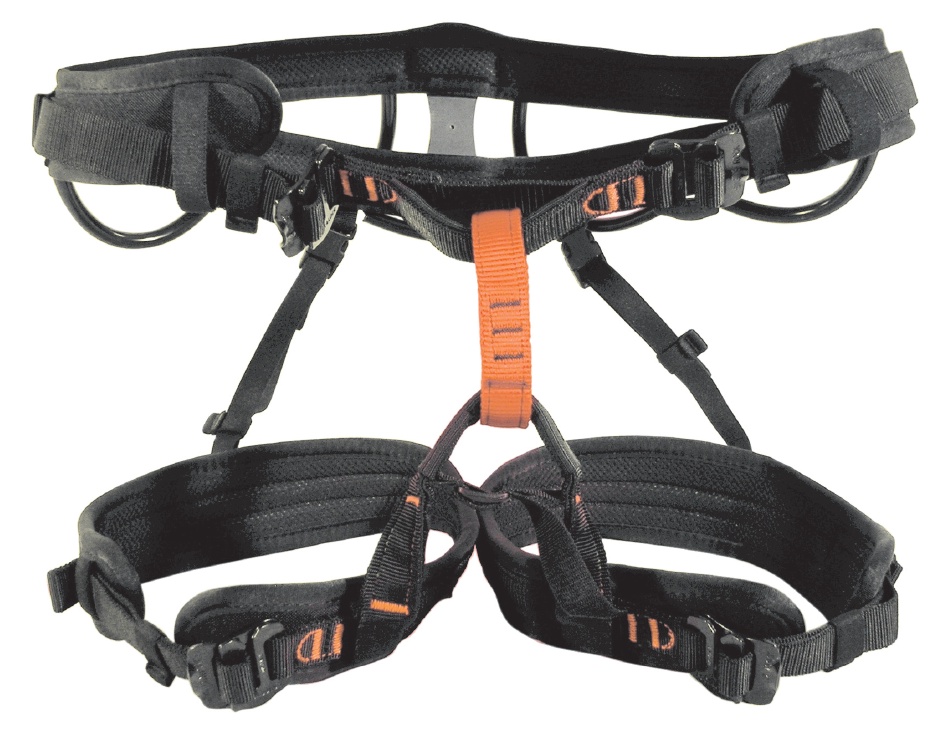 | Helmet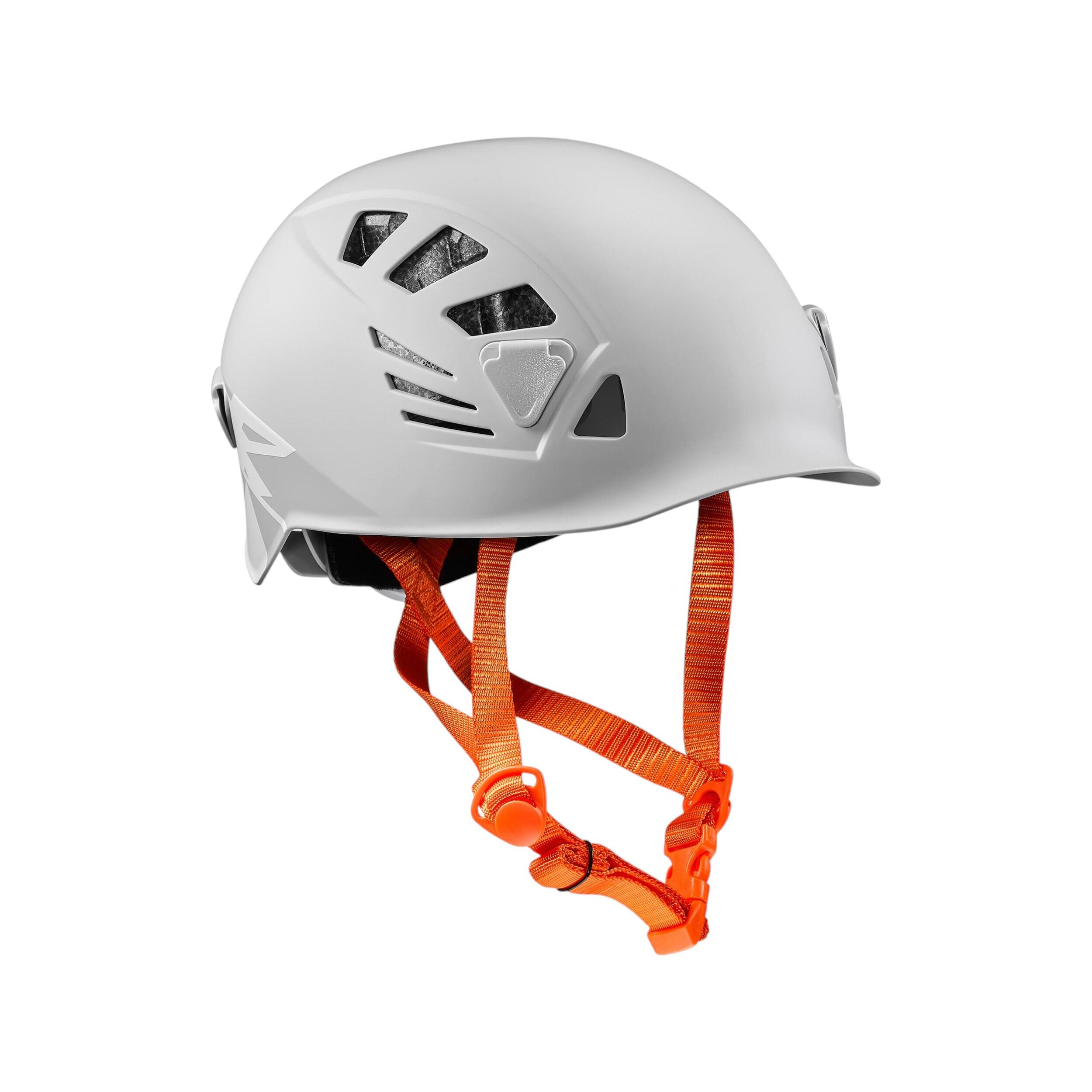 | Sunglasses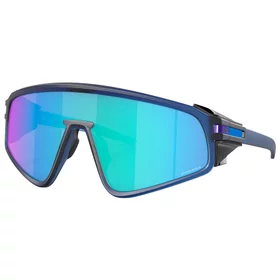 | Camping Mat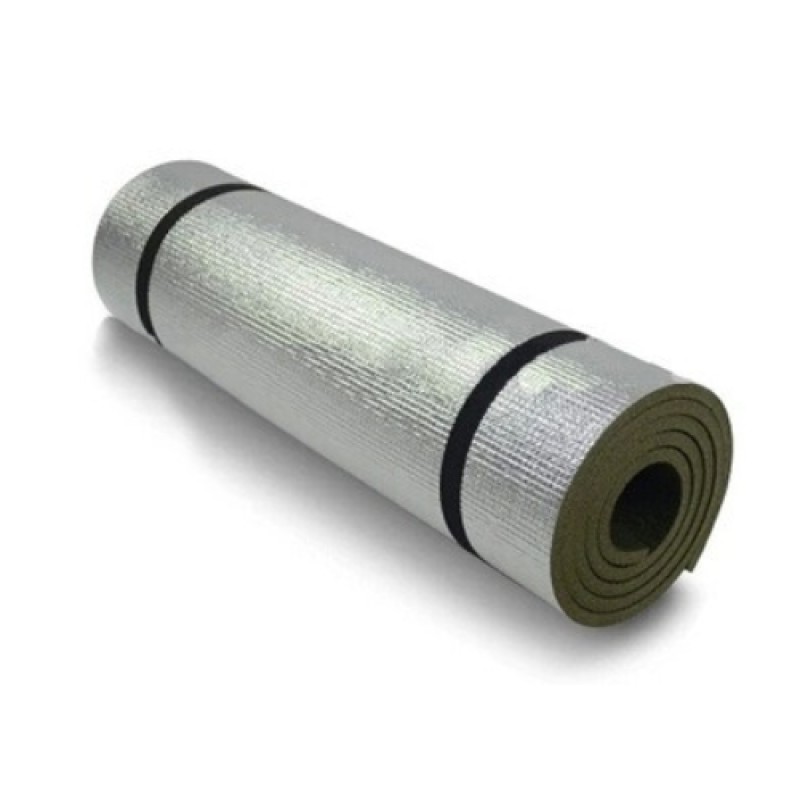 | Sleeping Bag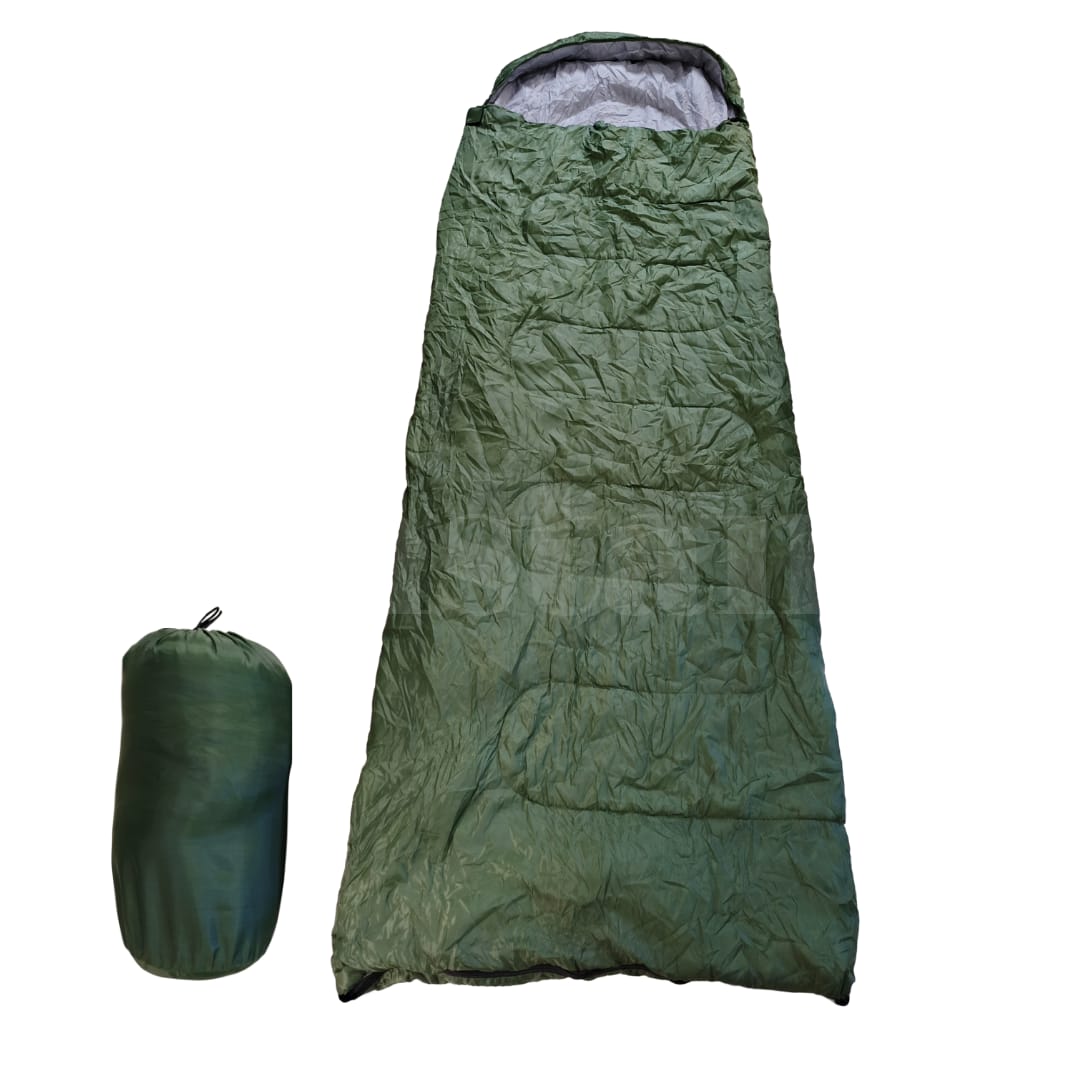 |
Tent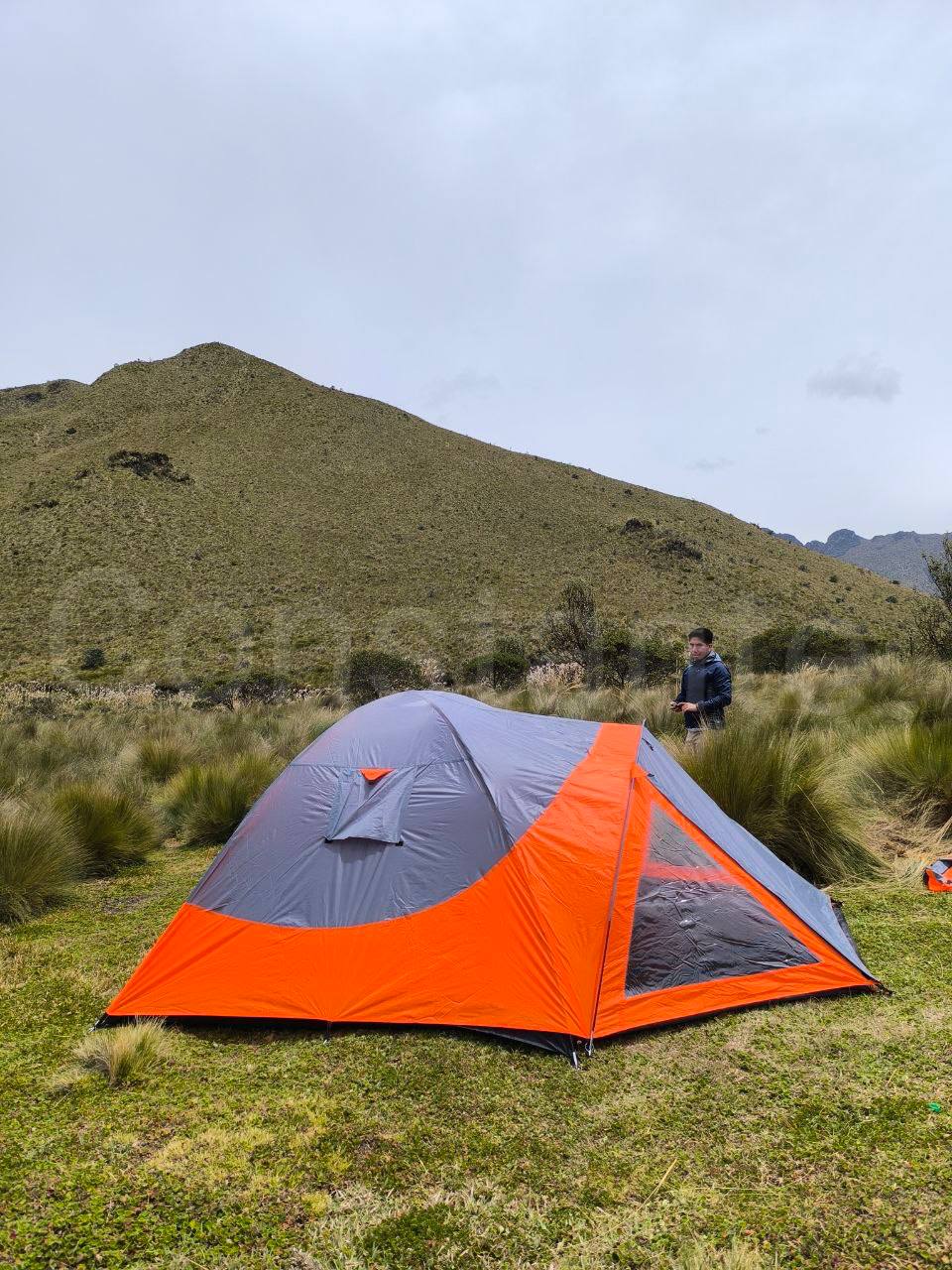 | Rescue Pulley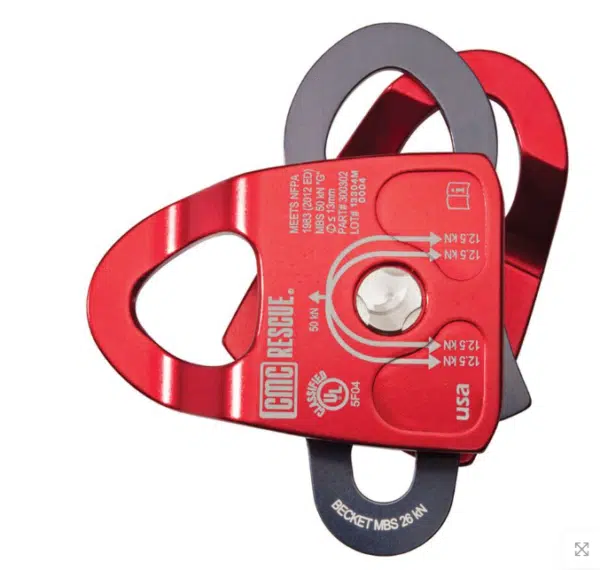 | First Aid Kit for the Group”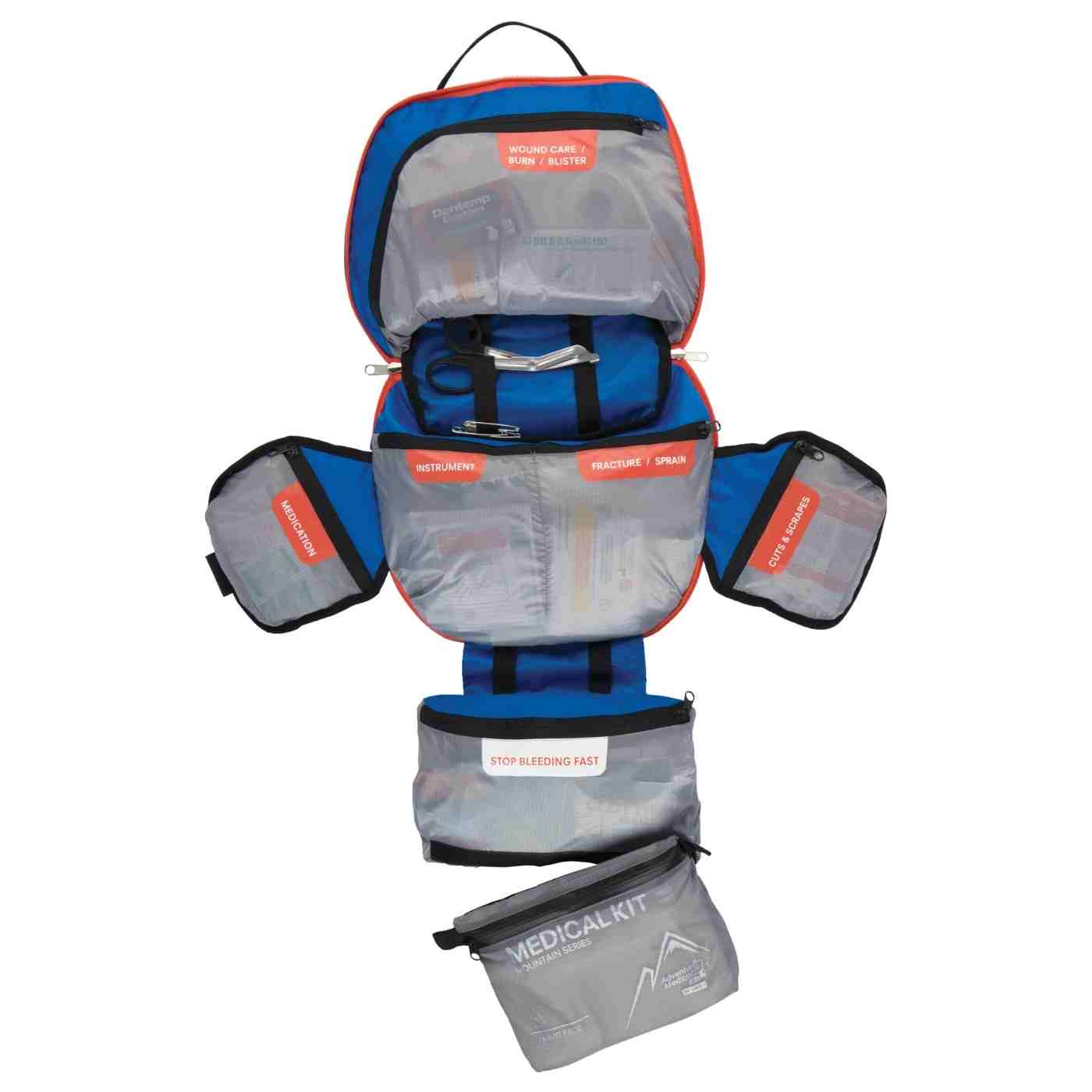 | Pickets, Anchors, and Ice Screws”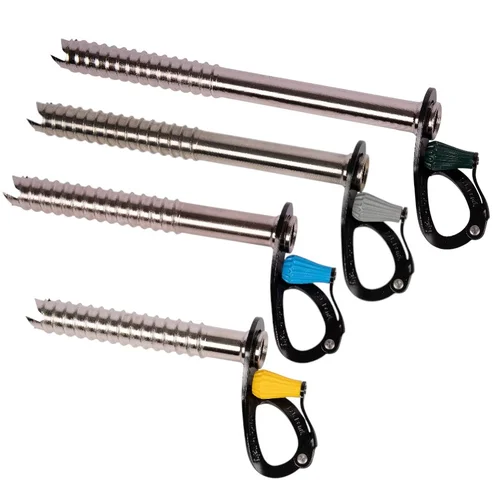 | Snow Saw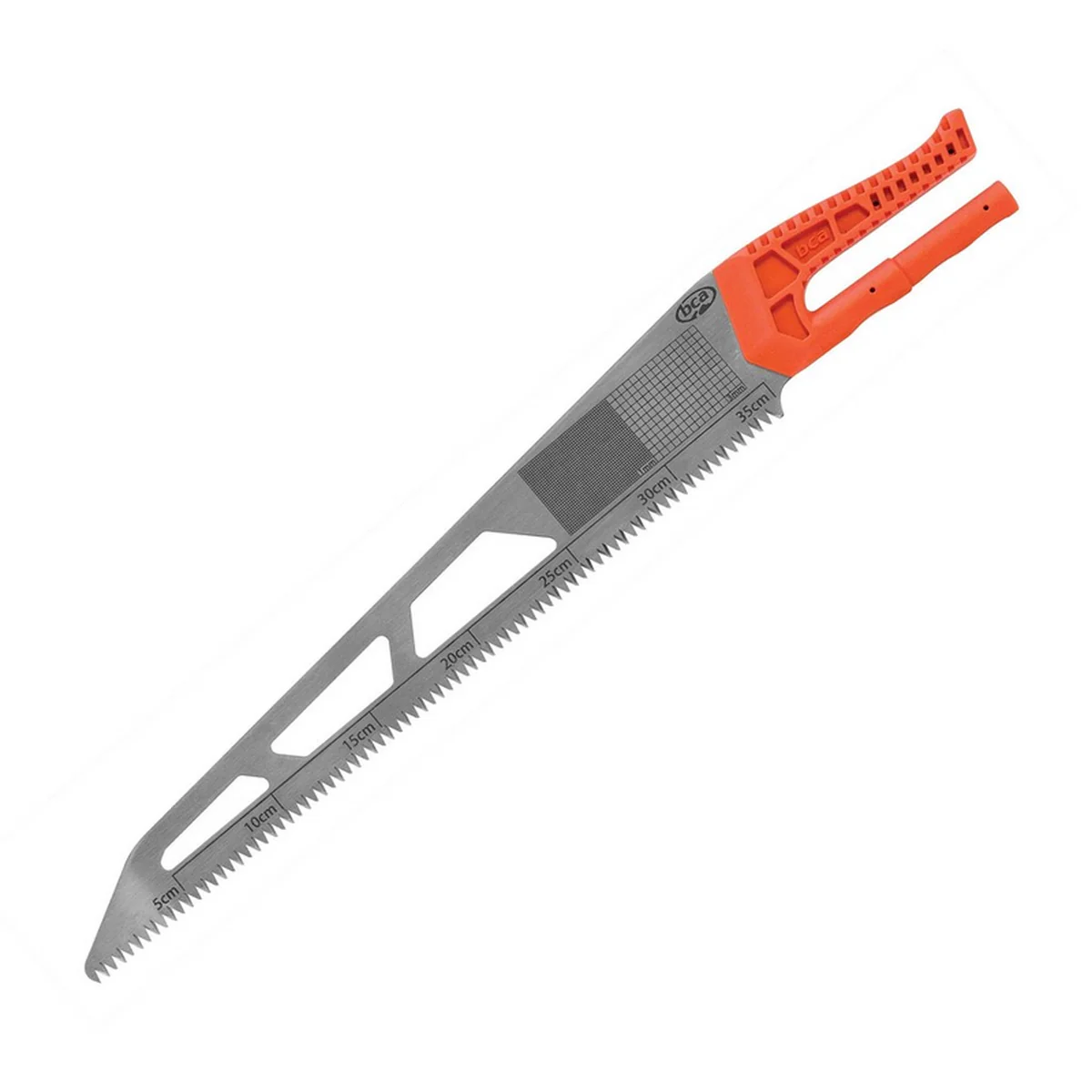 |
Cox, J., & Fulsås, K. (2004). Montañismo: La libertad de las cimas (7.ª ed.). Desnivel.