The invisible foundation of success at the top
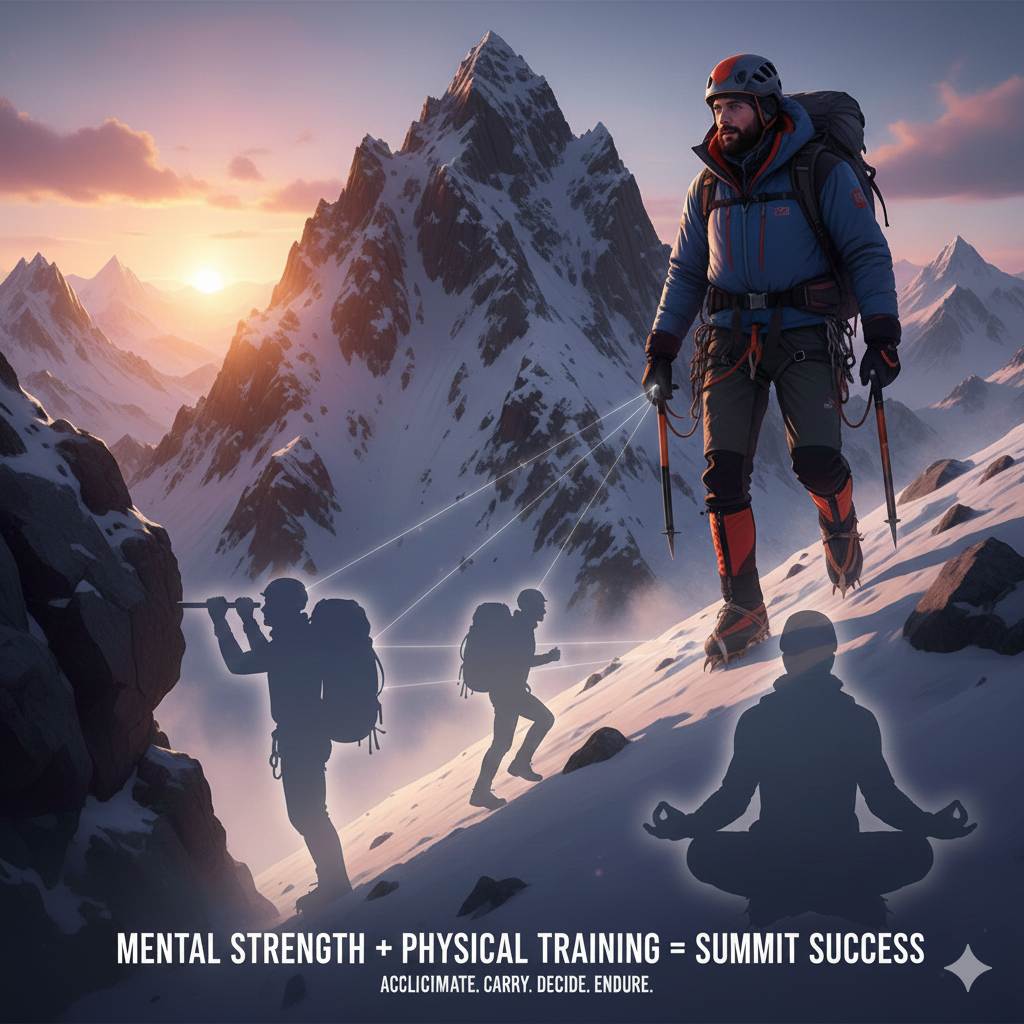
In mountaineering, mental strength is key, but without good physical training, the mountain will always win.
Training before climbing a peak is important because it helps you acclimatize to the altitude and cold, trains you to carry the right weight, and teaches you to make decisions under fatigue and avoid unnecessary effort.
A prepared body consumes less energy, recovers better, and drastically reduces the risk of accidents.
To have a good training plan, it is important to consider that a common mistake is to train only “when there is time.”
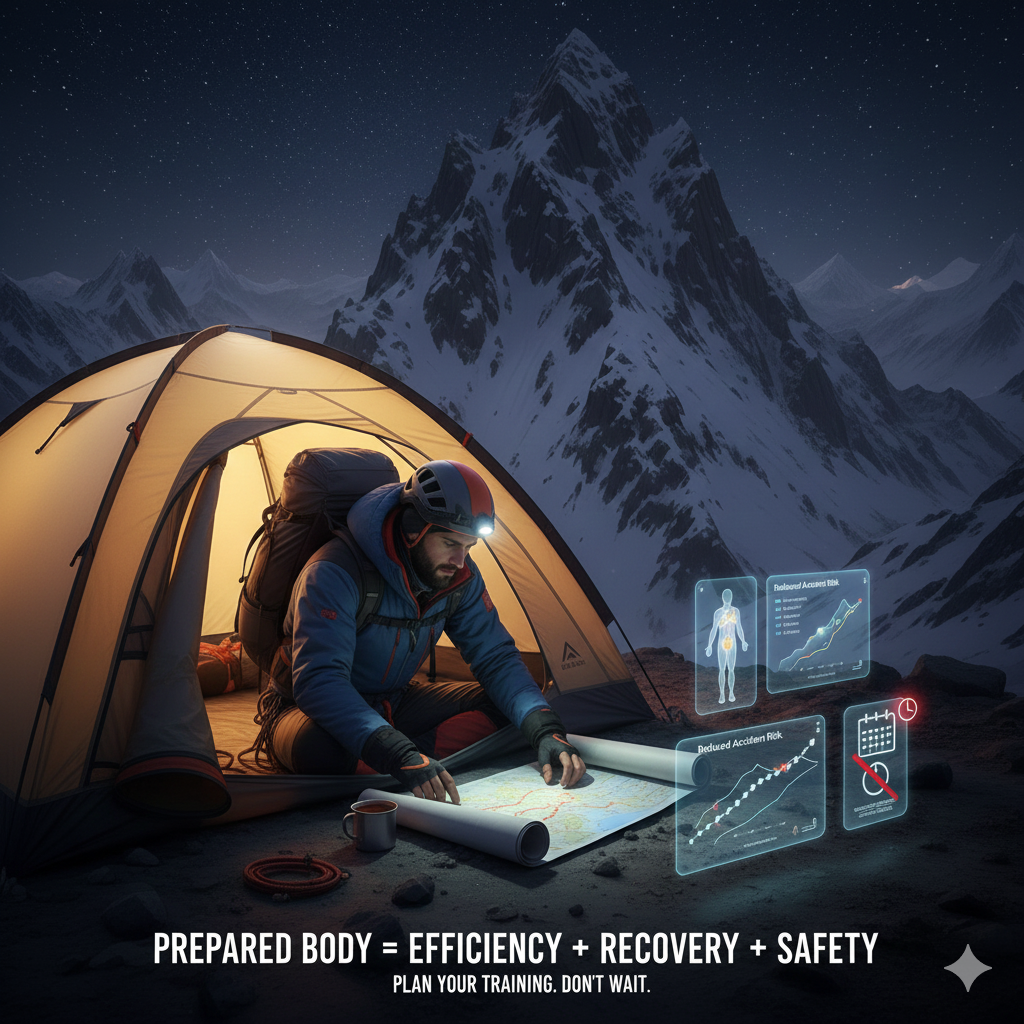
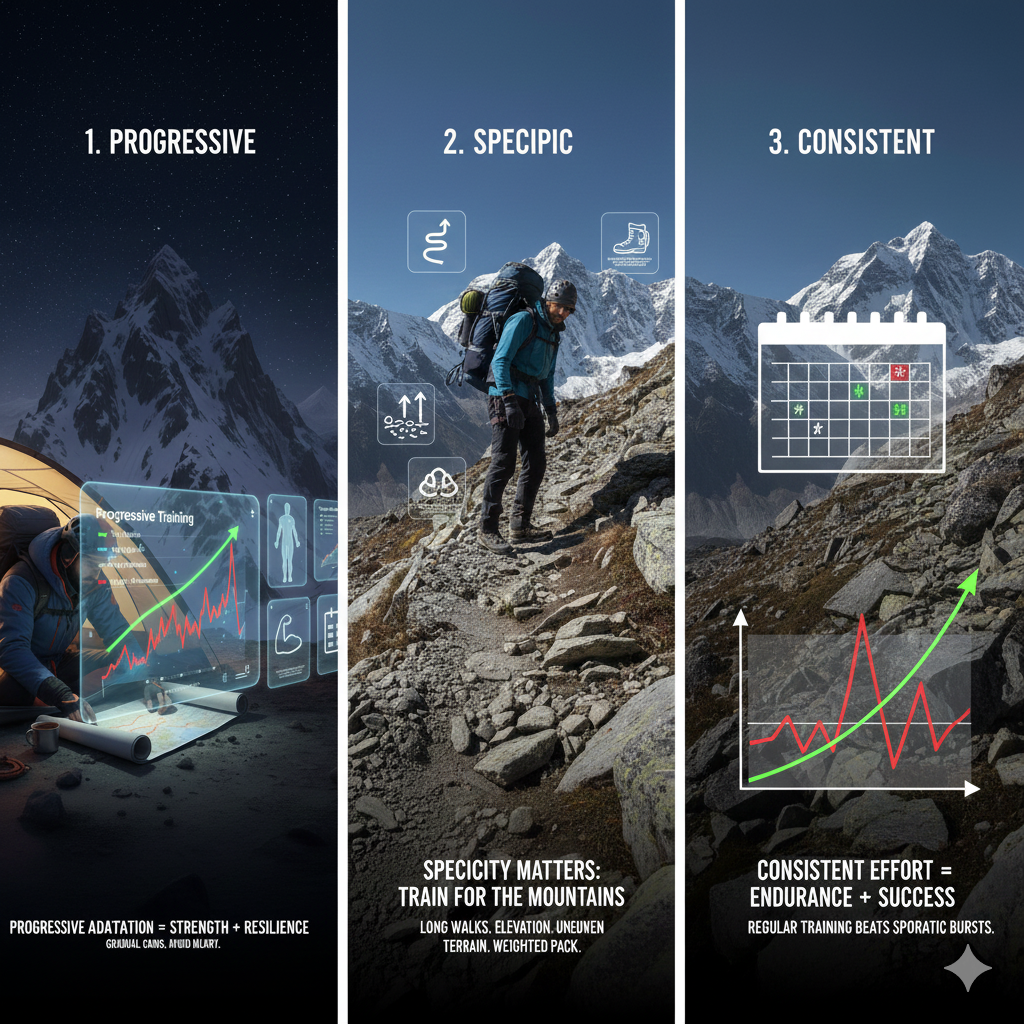
A good plan should be:
- Progressive
The body needs to adapt gradually. Increasing intensity or volume too quickly only leads to injury and exhaustion.
- Specific
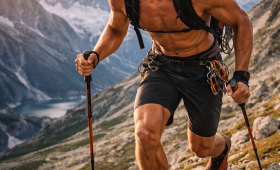
Training for the gym is not the same as training for the mountains. In the mountains, you need to do: ✓ Long walks
✓ Positive elevation gain
✓ Uneven terrain
✓ Weighted backpack
Training should resemble the actual activity as closely as possible.
- Consistency
It is better to train 3–4 times a week on a regular basis than to make sporadic extreme efforts.
Cardiovascular endurance
The mountaineer’s engine aerobic endurance is the basis of mountain performance. It allows you to:
✓ Maintain a steady pace
✓ Breathe better at altitude
✓ Delay fatigue
✓ Recover faster during the ascent
Recommended activities to develop this endurance:



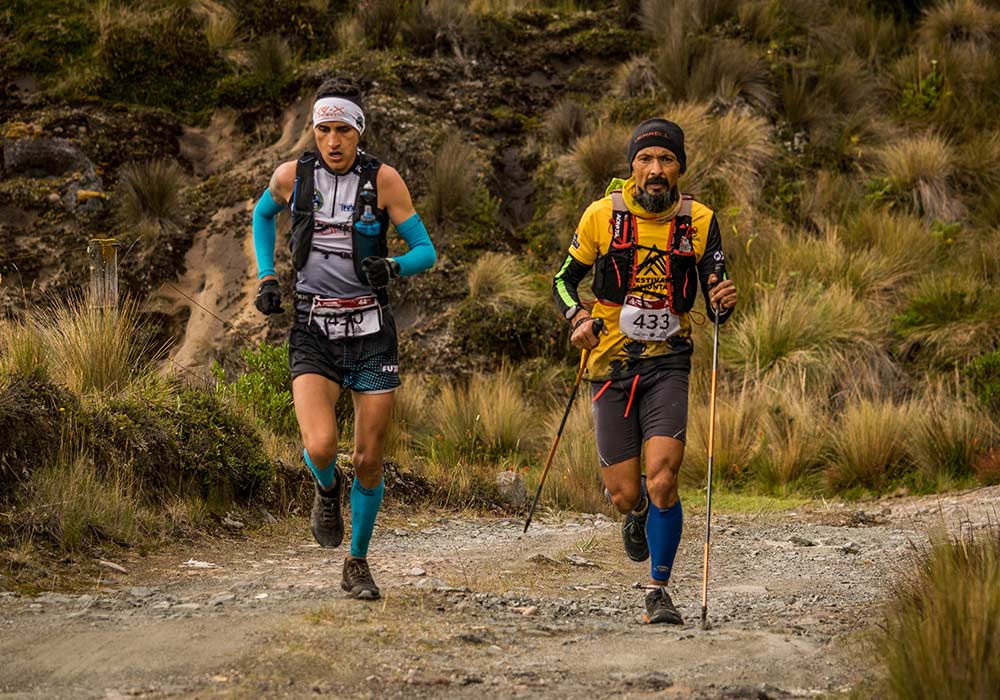

It’s not about going fast, but about maintaining a sustainable pace for hours.
Recovery: training also means knowing how to rest
One of the most common mistakes is believing that resting is a waste of time. In reality, it’s quite the opposite.
Recovery allows you to:
✓ Stay motivated
✓ Repair muscle fibers
✓ Assimilate your training
✓ Avoid overtraining


Best practices for recovery:
Include light training days or active rest days progress doesn’t happen during training, but afterward, when the body recovers.
✓ Get enough sleep
✓ Stay hydrated
✓ Do gentle stretching
Injury prevention:
Arriving healthy means going far, in mountaineering, an injury not only ruins a summit, it can put your life at risk.
The main causes of injuries are:
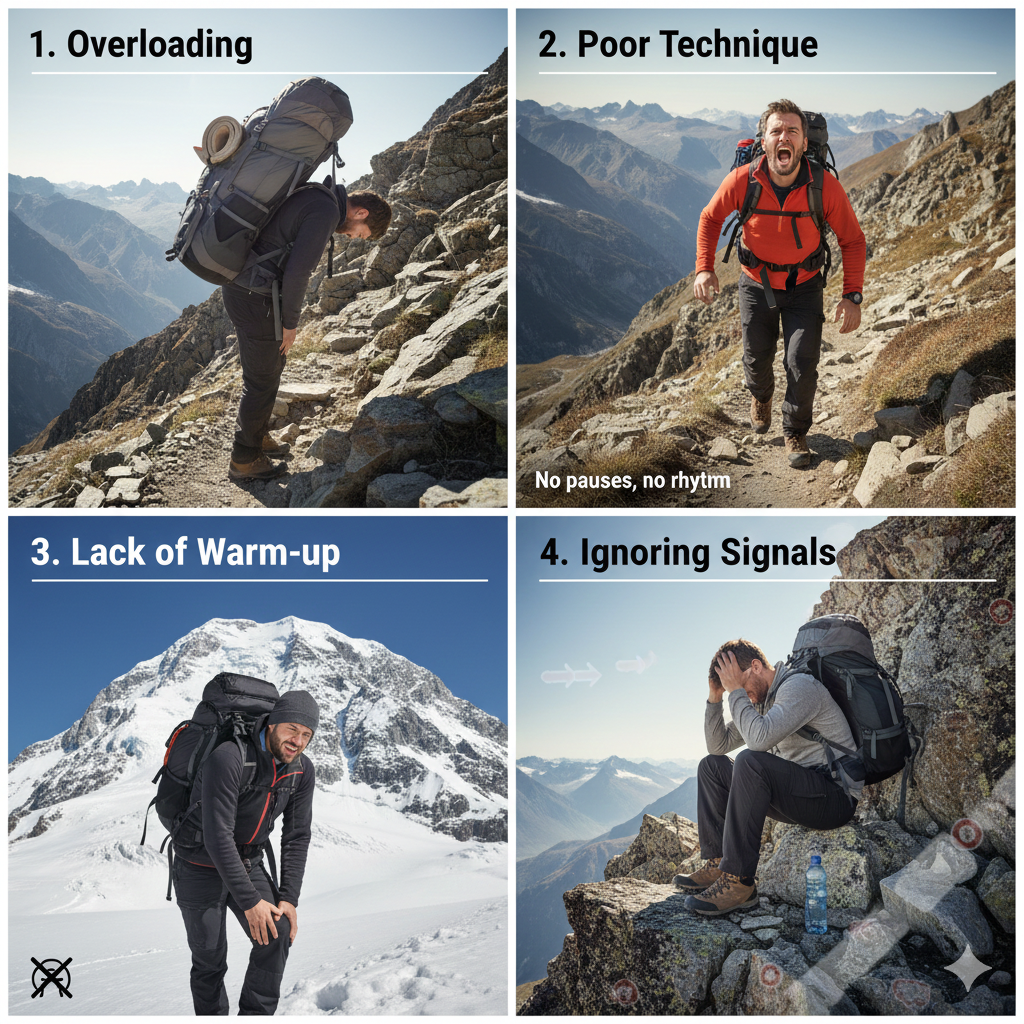
It’s better to miss a day of training than to miss the entire season.
Remember:
Cox, J., & Fulsås, K. (2004). Montañismo: La libertad de las cimas (7.ª ed.). Desnivel.