Reaching the summit is only half the challenge. A mountaineer’s true mastery is demonstrated in how they recover their strength and protect themselves when the sun goes down. Here we summarize the essentials for transforming a night on the mountain into a safe and revitalizing experience.
1. Choosing a Location: Your Temporary Home
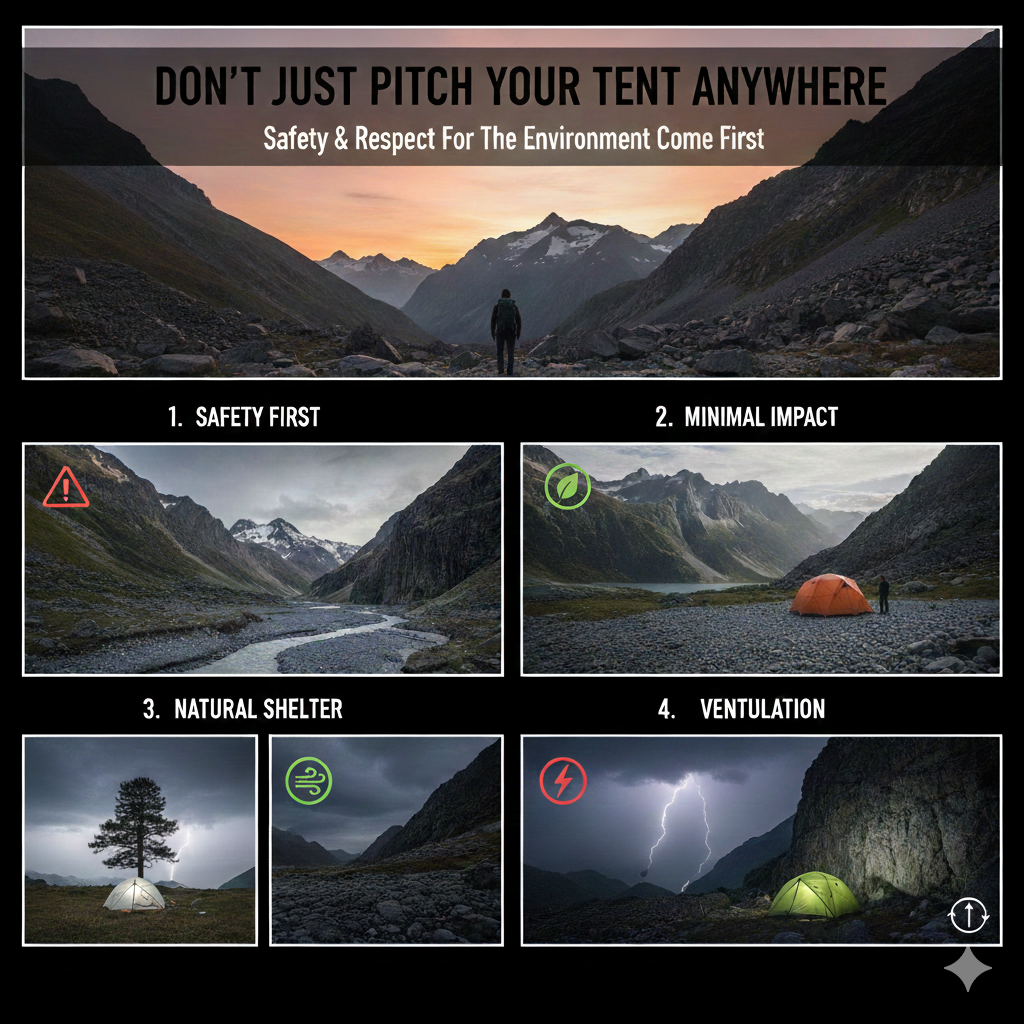
Don’t just pitch your tent anywhere. Safety and respect for the environment come first:
• Safety first: Avoid areas exposed to rockfalls, avalanches, or flash floods.
• Minimal impact: Look for sturdy surfaces (such as rock or gravel) and avoid camping on fragile vegetation to “leave no trace.”
• Natural shelter: Take advantage of the topography to protect yourself from the wind, but stay away from lone trees if there is a risk of thunderstorms.
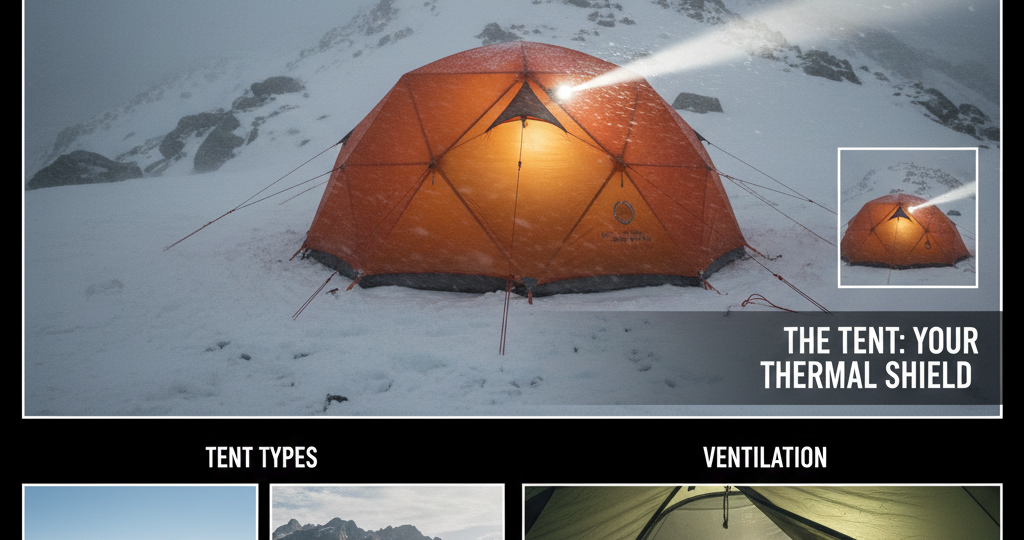
2. The Tent: Your Thermal Shield
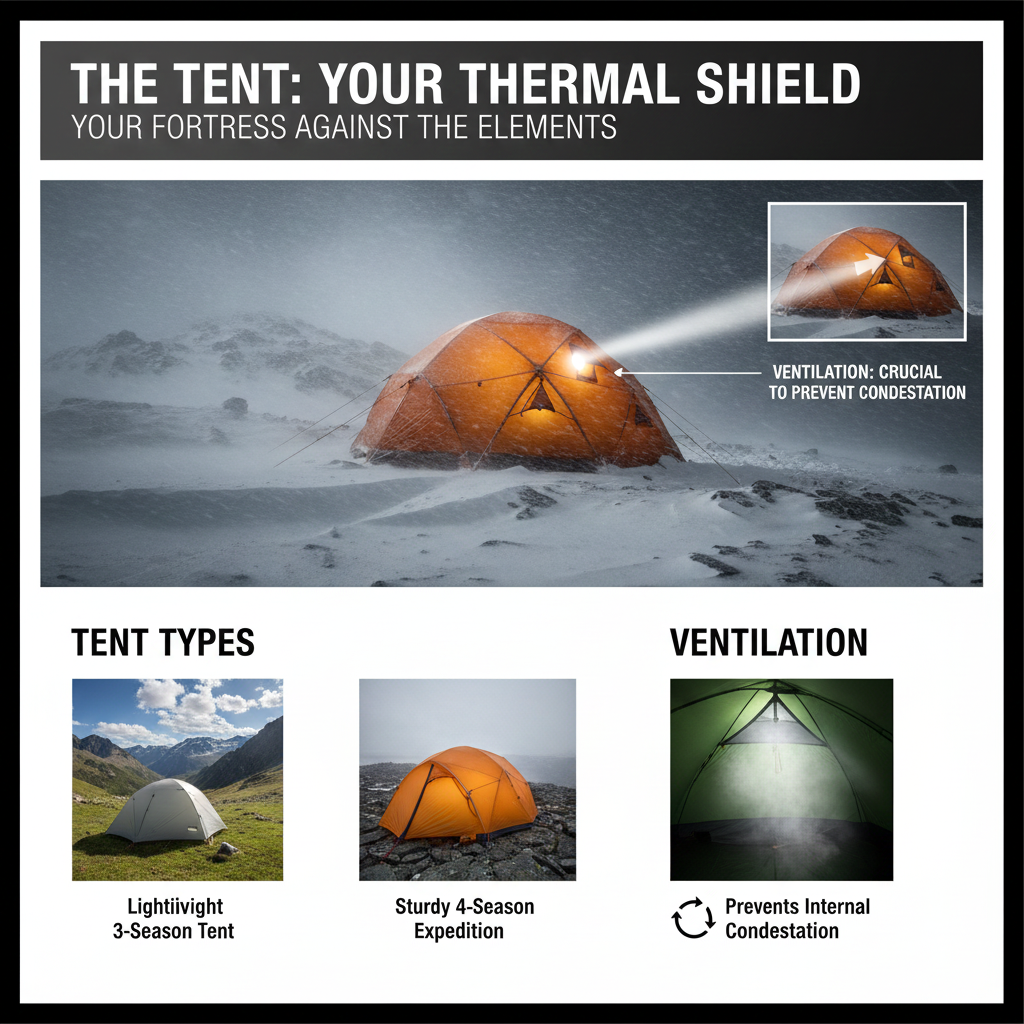
Your tent is your fortress against the elements. The manual highlights:
• Tent types: From lightweight three-season tents to sturdy expedition tents (four seasons) designed to withstand hurricane-force winds and the weight of snow.
• Ventilation: This is crucial to prevent internal condensation, which can wet your gear and make you cold.
3. The Rest System: Vital Recovery
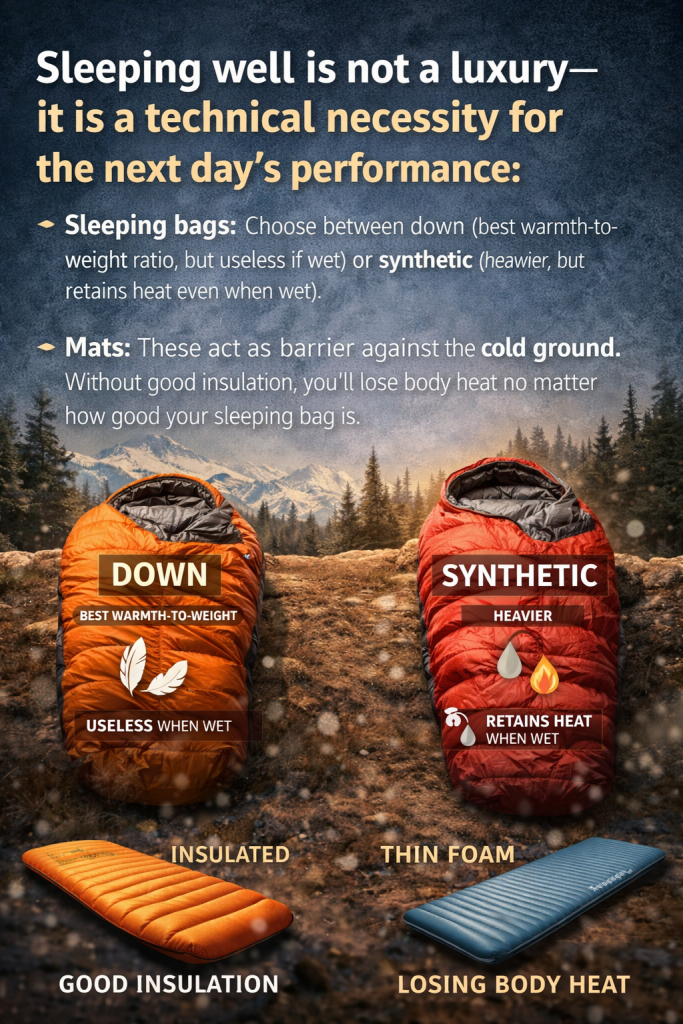
Sleeping well is not a luxury, it is a technical necessity for the next day’s performance:
• Sleeping bags: Choose between down (best warmth-to-weight ratio, but useless if wet) or synthetic (heavier, but retains heat even when wet).
• Mats: These act as a barrier against the cold ground. Without good insulation, you will lose body heat no matter how good your sleeping bag is.
4. Nutrition and Cooking: The Climber’s Fuel
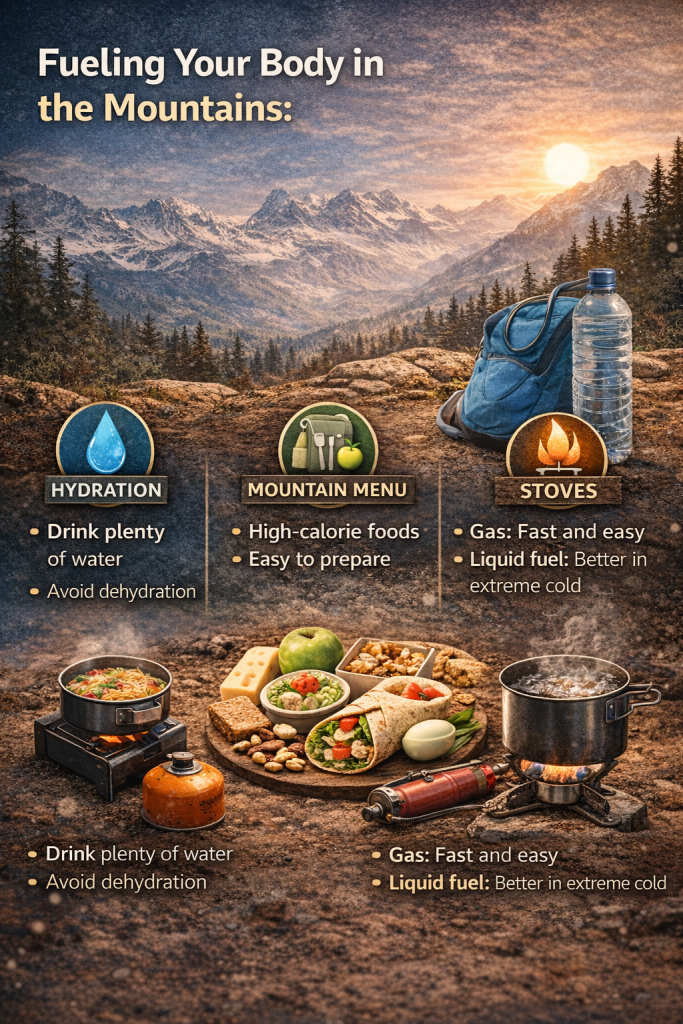
In the mountains, your body is a high-performance engine that needs the right fuel:
• Hydration: This is the number one factor. Dehydration accelerates fatigue and altitude sickness. Drink even if you are not thirsty.
• Mountain menu: Prioritize foods that are high in calories and easy to prepare. Carbohydrates are your best allies for immediate energy.
• Stoves: Know your equipment. Gas stoves are convenient and fast, while liquid fuel stoves work better in extreme cold and high altitudes.
5. Hygiene and Waste Management
The freedom of the peaks comes with the responsibility of keeping them pristine:
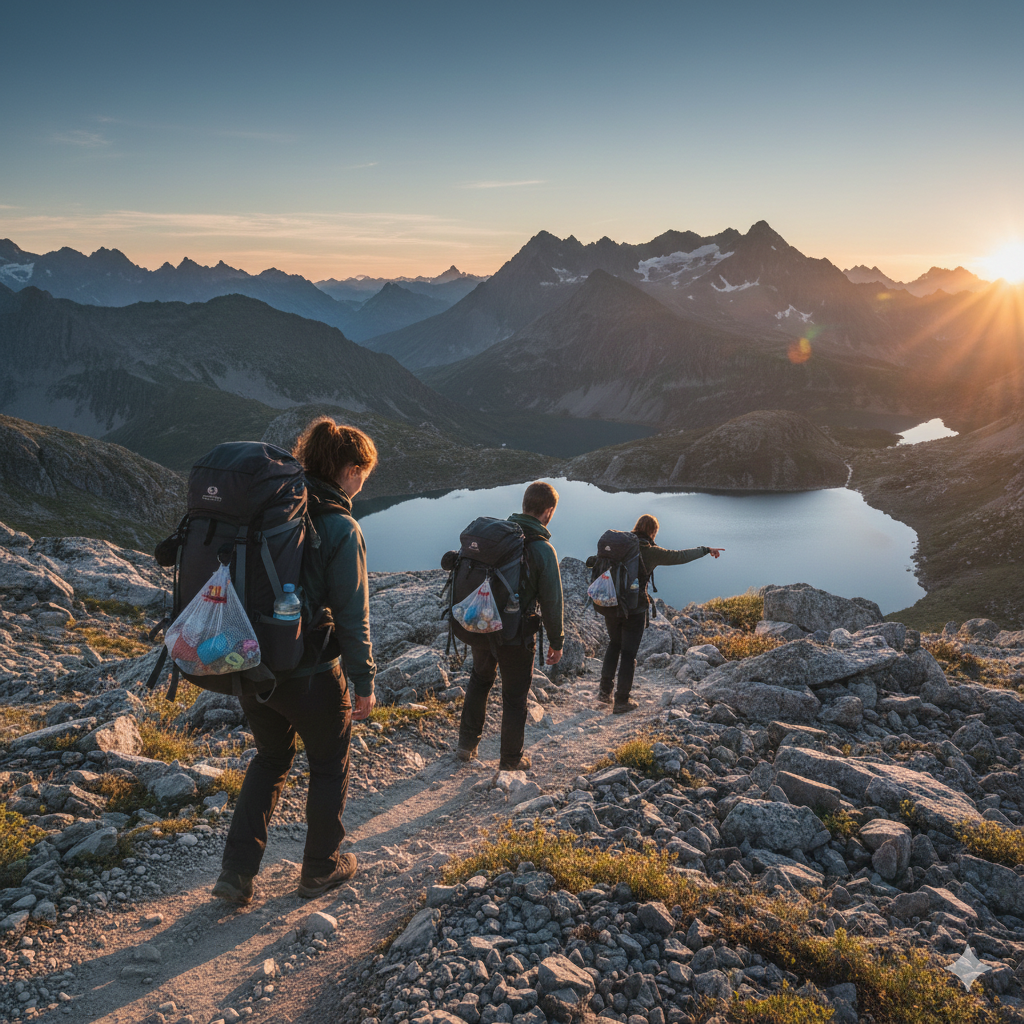
• Waste: Everything you bring up must come back down. Do not bury trash.
• Human waste: Follow local regulations (use of special bags or burial at a suitable distance and depth from water) to avoid contamination of aquifers.
Cox, J., & Fulsås, K. (2004). Montañismo: La libertad de las cimas (7.ª ed.). Desnivel.