Mountaineering is an encounter between humankind and the mountains. It is challenge, adventure, and contemplation. For some, it is the dream born in childhood; for others, a path of growth through facing effort and uncertainty. In the heights, unforgettable landscapes are discovered, deep bonds are forged, and one learns to know oneself beyond everyday limitations.
Therefore, it requires a few steps that will help you reach your goal:
Technical knowledge and skills
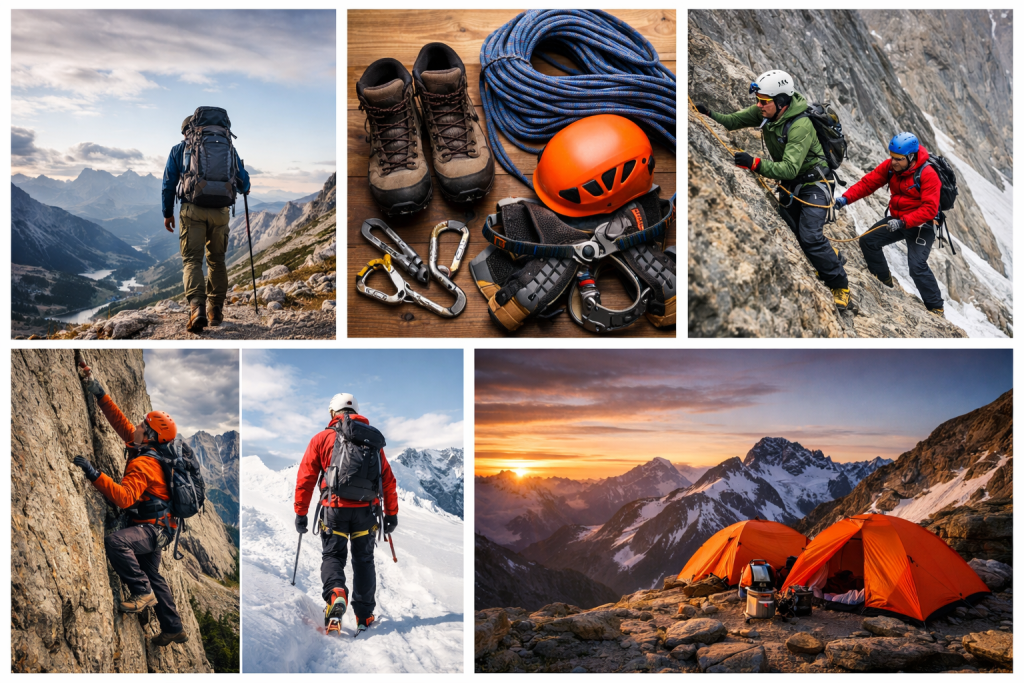
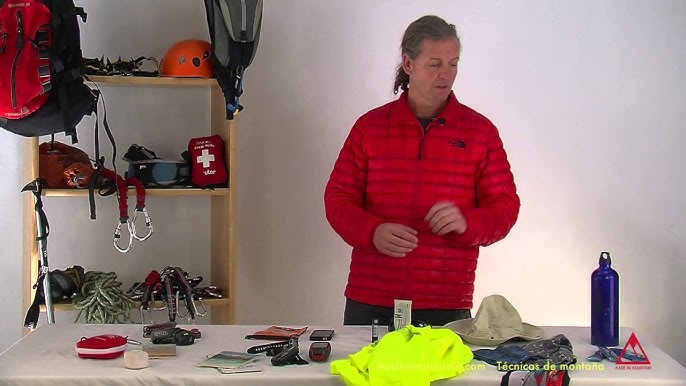
To move safely and enjoy the mountains, mastering basic techniques is essential. This includes choosing the right clothing, equipment, and food, navigating off-trail, and knowing how to move independently. Knowledge of climbing, belaying, and rappelling is also crucial, as is understanding the terrain, which can include rock, snow, ice, or glaciers. Since mountaineering always involves risks, training in safety, first aid, and rescue is fundamental.
Physical preparation
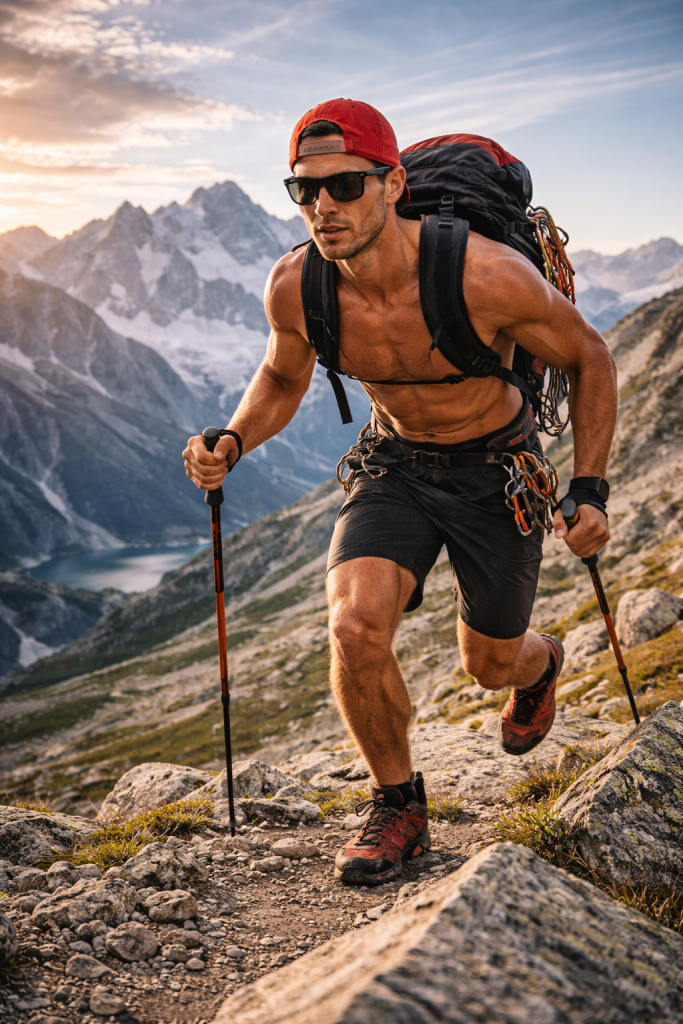
Regardless of a mountaineer’s skill level or aspirations, good physical condition is essential. The better prepared they are, the greater the variety of mountains they can tackle, allowing them to enjoy the experience safely. Individual strength not only influences personal performance but also the safety of the entire team, making physical training a fundamental pillar of mountaineering.
Mental preparation

when to retreat. A mountaineer must be positive, but also realistic and honest with themselves, preventing overconfidence from turning into recklessness. For many, the greatest challenges lie not on the route, but in the mind, and it is precisely there that the mountain reveals one of its greatest lessons.
Criterion and experience
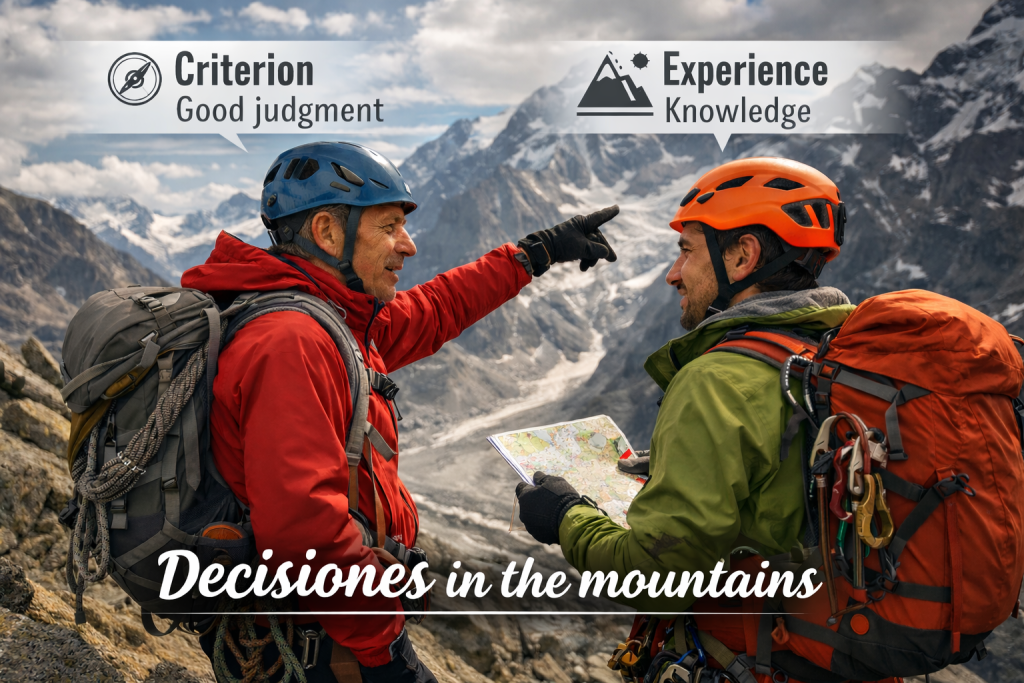
In mountaineering, mental preparation and sound judgment are just as important as technique. These skills are developed by combining knowledge and experience to face unpredictable situations. The mountains involve uncertainty, risk, and challenge elements that are part of their appeal, but which demand conscious decisions, since absolute safety is impossible.
CONCERN FOR NATURE: LEAVING NO TRACE
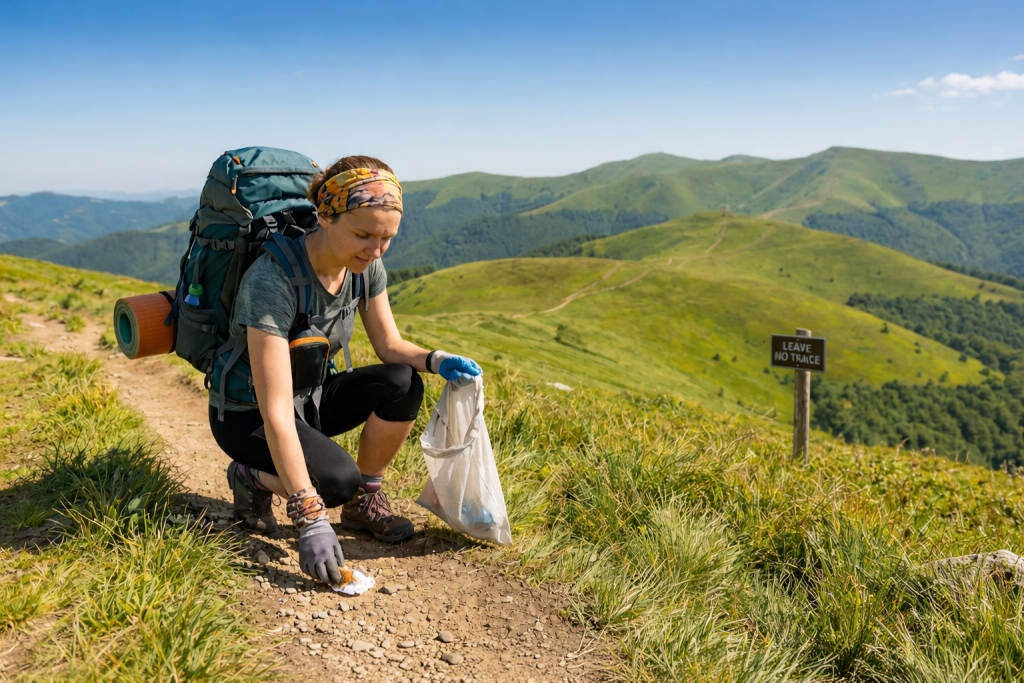
Mountaineering skills allow access to remote places, but they also carry the responsibility of protecting them. Excessive and careless use of nature leads to its degradation, which is why the «Leave No Trace» principles have emerged, promoting minimal impact. Mountains do not exist for our entertainment; the greatest respect we can show them is to leave them as we found them.
CLIMBING CODE
The Mountaineers Association developed a code of conduct based on observations of experienced climbers and accident analysis, with the goal of improving mountain safety. This code has proven useful not only for climbers but also for anyone who ventures into natural environments.
It is not a rigid doctrine or a formula for avoiding all danger, but rather a practical guide to reducing risks and increasing the likelihood of safety and success, even in uncertain situations. It is especially recommended for beginners, who have not yet developed the judgment that comes with experience, while experienced mountaineers adapt these guidelines according to their understanding of risk and their ability to manage it.
ACHIEVING FREEDOM FROM THE SUMMITS
The freedom found on the mountaintops is not an immediate gift from the mountain itself, but rather the result of training, preparation, and motivation. Mountaineering combines the enjoyment of nature with technique and respect, allowing us to escape, even if only for a moment, from a mechanized and digital world. In this environment indifferent to human needs, those who accept the challenge find a profound physical and spiritual reward. Practiced safely, judiciously, and ethically, mountaineering becomes a path of balance between body, mind, and nature, reminding us that walking in the mountains is one of the most authentic expressions of freedom.
Cox, J., & Fulsås, K. (2004). Montañismo: La libertad de las cimas (7.ª ed.). Desnivel.