
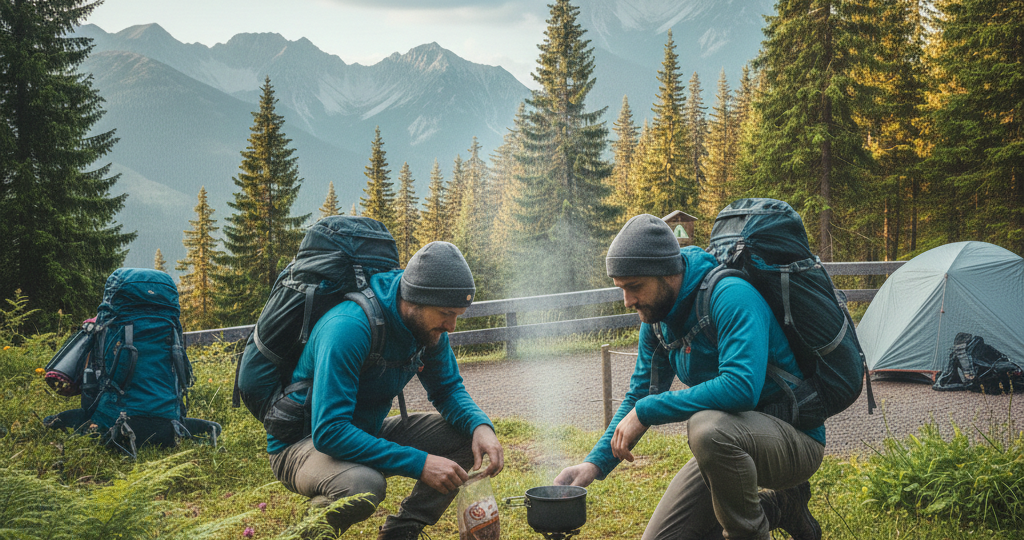
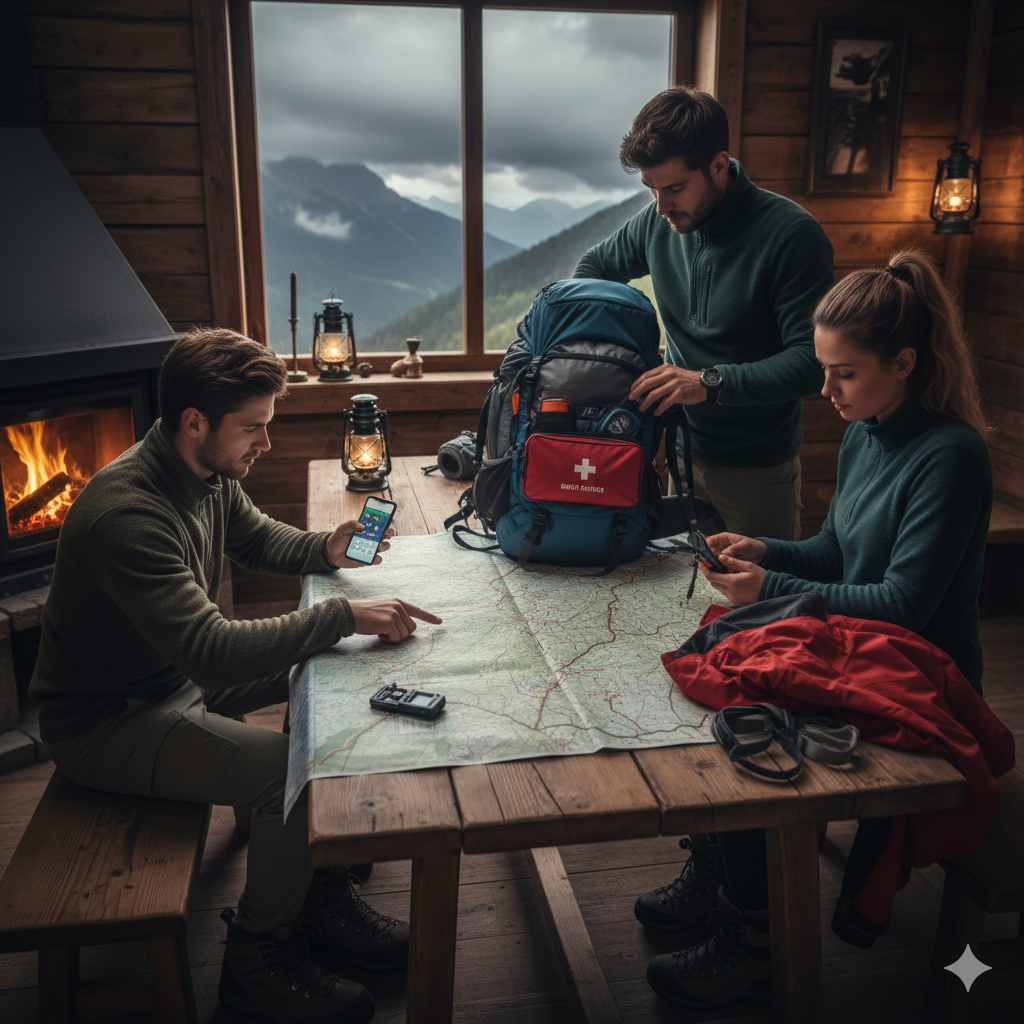
Plan before you go
Good planning prevents environmental damage and safety issues. Responsible tourists:
Find out about the route and weather conditions
Take the necessary equipment
Respect rules and permitted areas
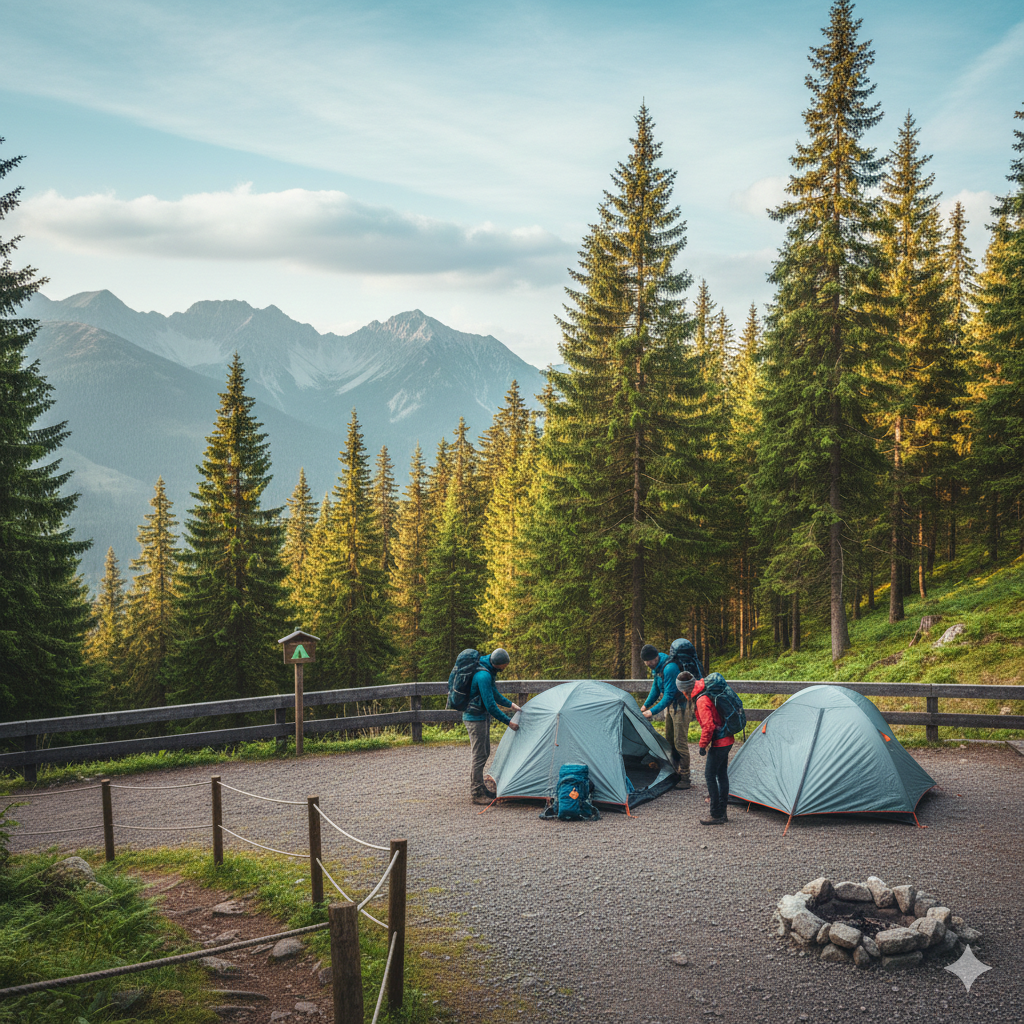
Walk and camp only in authorized areas
The chapter emphasizes the importance of:
Using existing trails
Not opening new routes
Camping only in permitted areas
This helps prevent soil erosion and damage to vegetation.
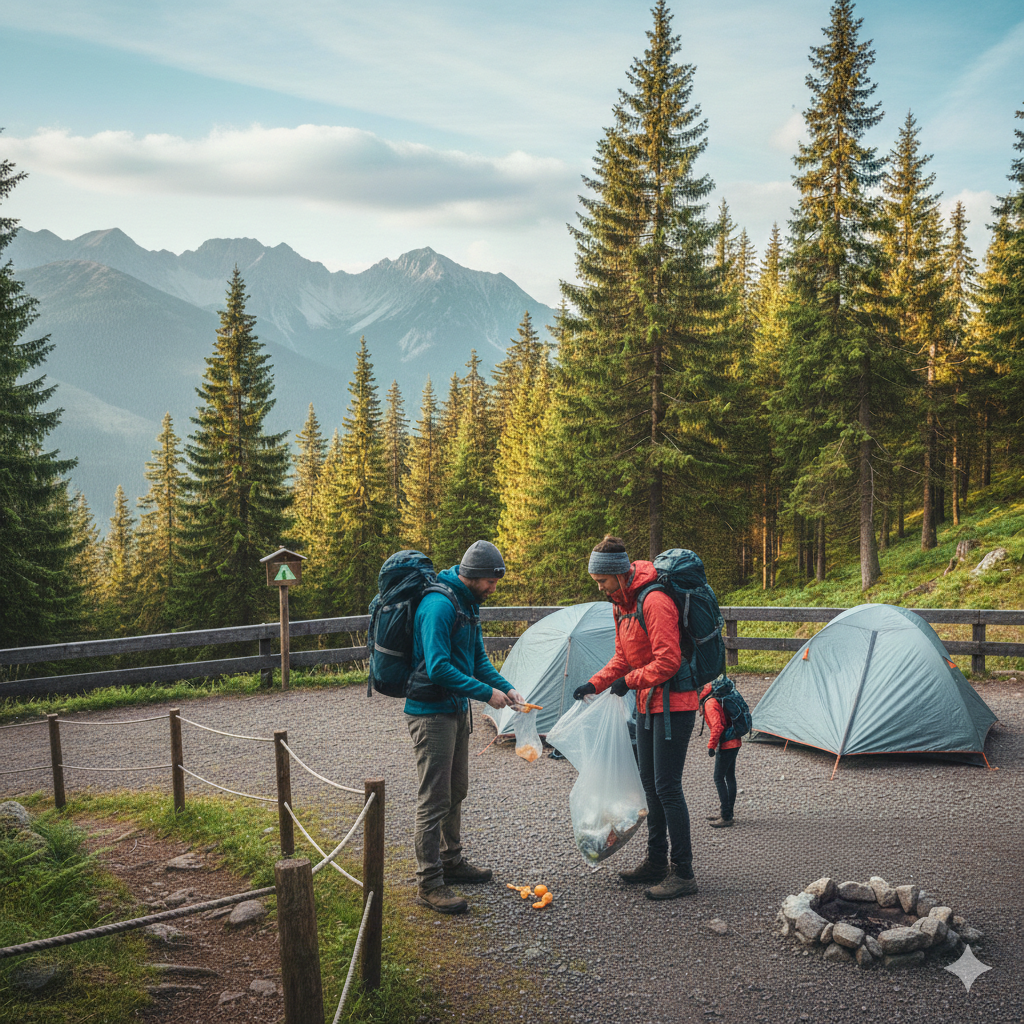
Responsible waste management
One of the most important messages is simple and clear:
Everything you bring to the mountains must come back with you.
Even food scraps can affect wildlife and pollute the environment. Conscious tourists do not leave waste behind or bury it.
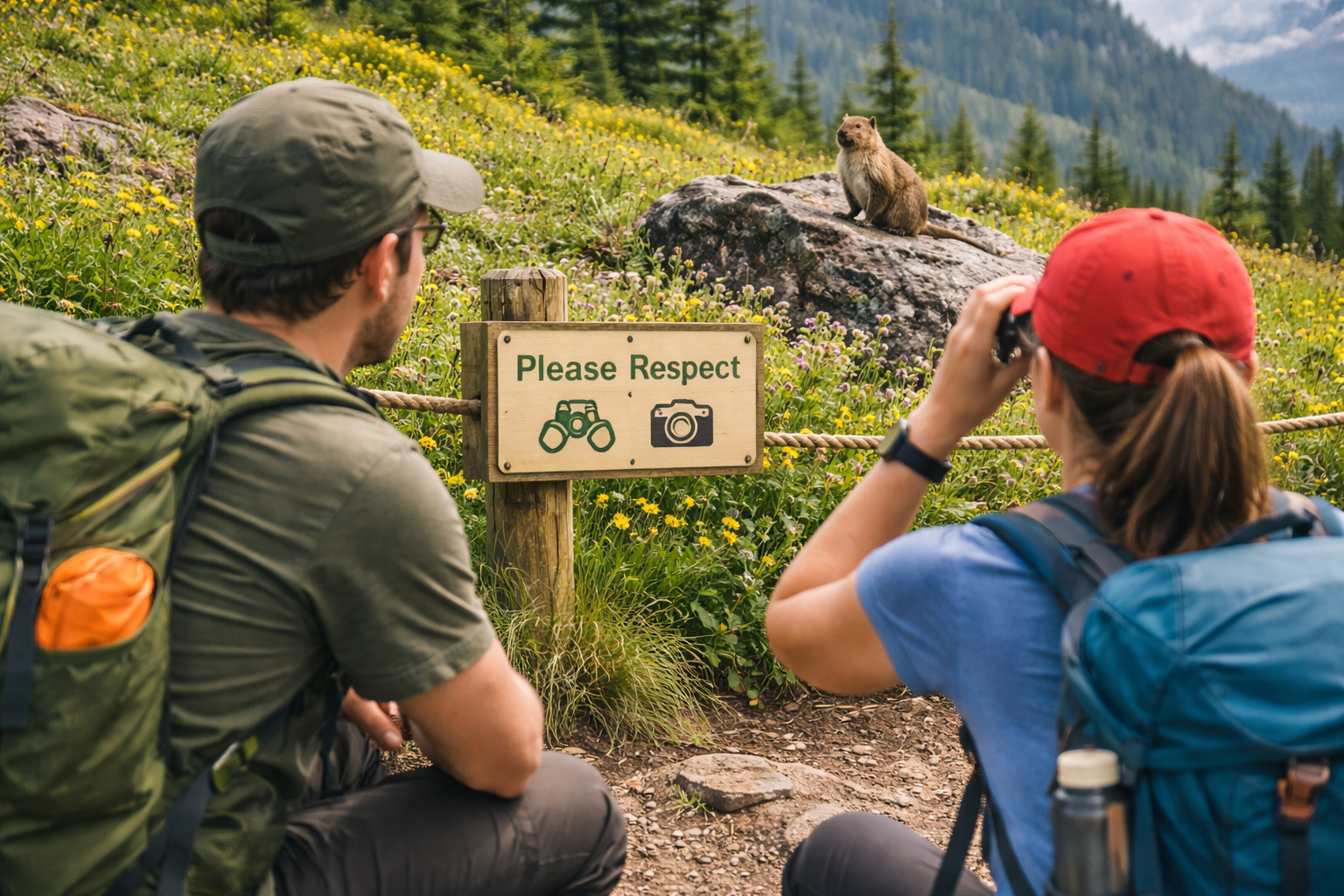
Respect for flora and fauna
Nature should not be disturbed. The book emphasizes:
Do not cut plants
Do not take natural “souvenirs”
Do not feed or disturb animals
Observing and respecting is part of the experience.
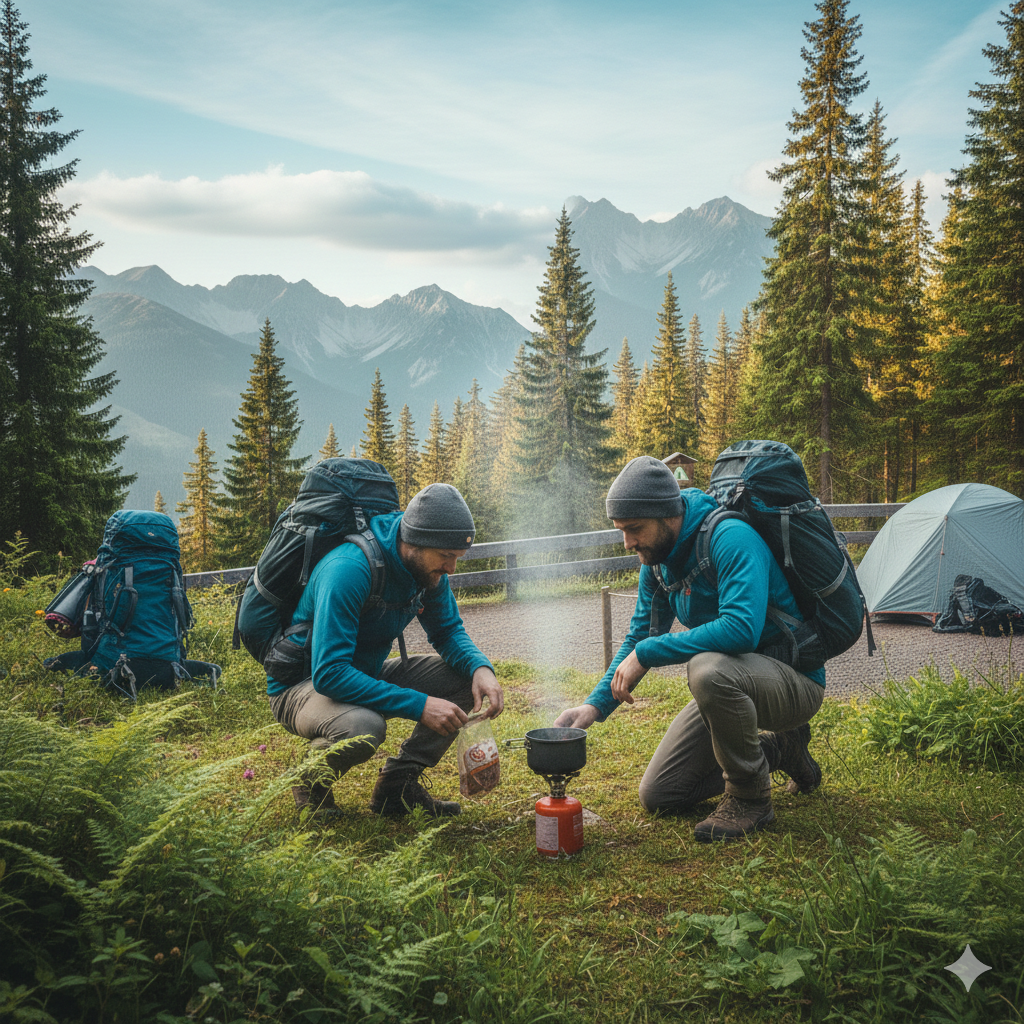
Responsible use of fire
Fire poses a high risk in the mountains. Whenever possible, it is recommended to:
Avoid campfires
Use portable stoves
Respect local regulations
One mistake can cause irreversible damage.

Respect for other people and communities
“Leave no trace” also applies to coexistence:
Keep noise down
Respect other visitors
Appreciate local customs
Responsible tourism creates more authentic experiences.
Cox, J., & Fulsås, K. (2004). Montañismo: La libertad de las cimas (7.ª ed.). Desnivel.

I savour, result in I found just what I used to be looking for.
You’ve ended my four day lengthy hunt! God Bless you man. Have a great day.
Bye