A journey through the landscapes, biodiversity, and mysteries of the Ecuadorian Amazon.
In the heart of the Ecuadorian Amazon, where the rainforest meets calm waters and the sounds of nature accompany every journey,lies a place that seems straight out of a dream: Laguna Grande, within the Cuyabeno Wildlife Production Reserve.
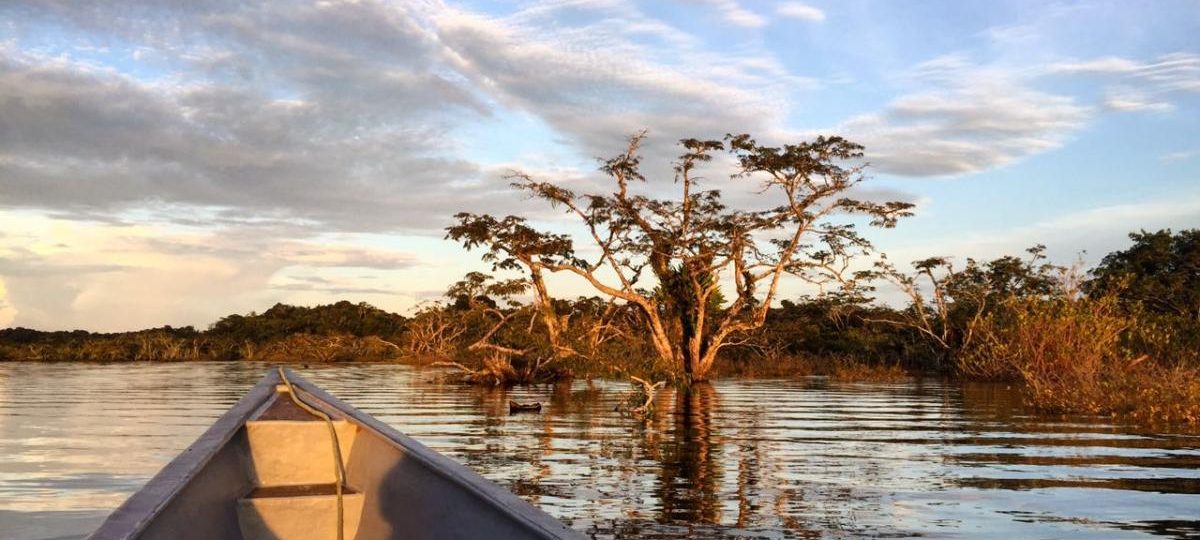
Surrounded by lush vegetation, this lagoon embodies the quintessential Amazonian experience. Its waters, the trees rising from the flooded forest, and the extraordinary diversity of wildlife make every visit an opportunity to discover a fascinating natural world.
Yet, Laguna Grande is far more than just a beautiful landscape. It is a dynamic ecosystem, a space for connecting with nature, and a window into the cultural and ecological richness of the Ecuadorian Amazon.
1. Un paisaje donde el agua y la selva se encuentran
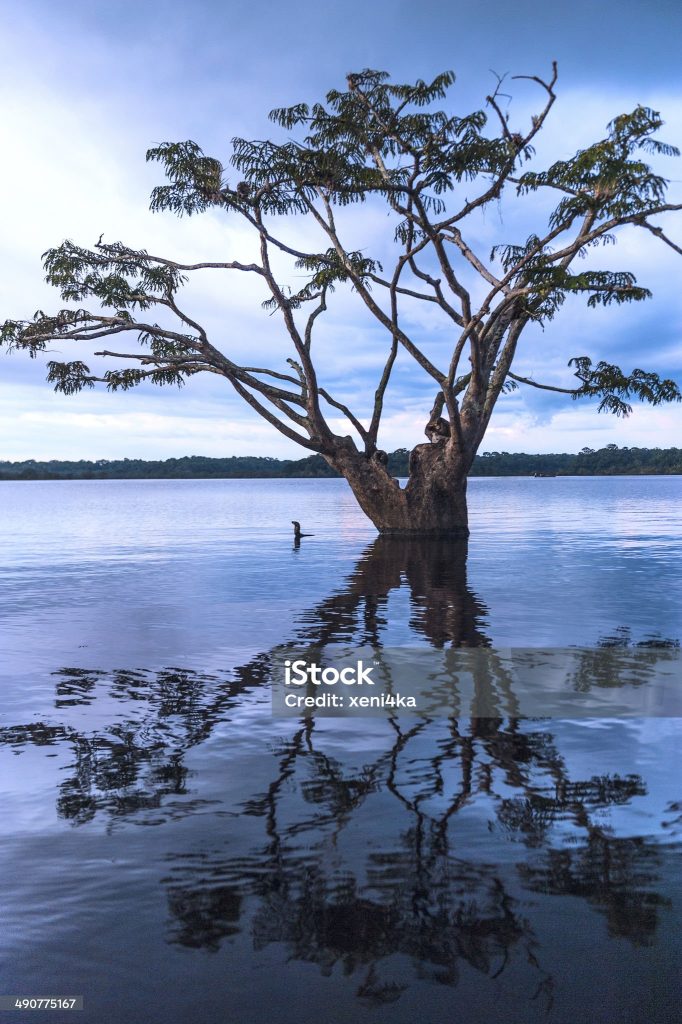
Laguna Grande is part of the extraordinary system of rivers, lagoons, and flooded forests that characterizes Cuyabeno. Here, water and vegetation create a landscape that shifts with the seasons, offering different vistas throughout the year.
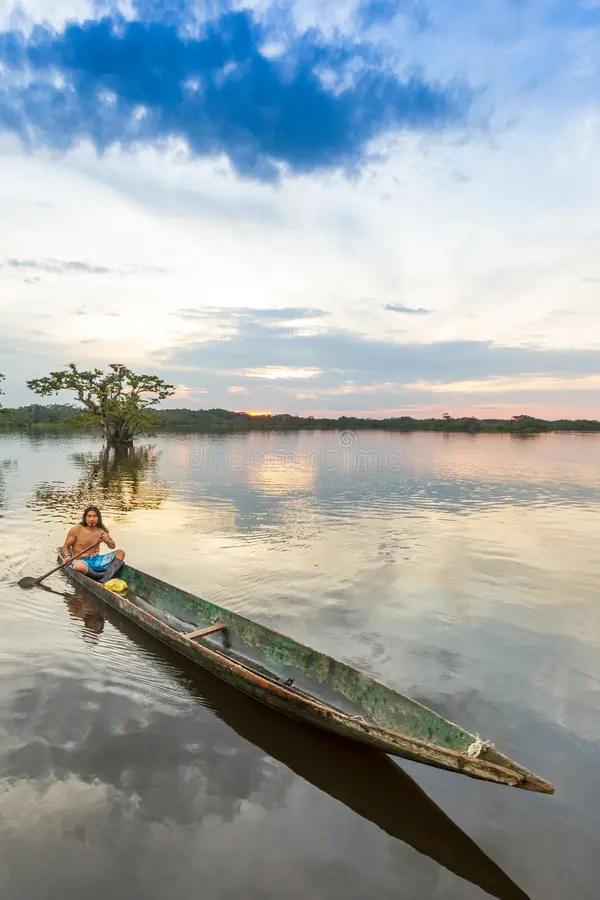
During canoe excursions, visitors can admire trees growing along the water’s edge, the reflection of the vegetation on the surface, and an immense array of green hues that seem to stretch all the way to the horizon.
At times, the lagoon transforms into a natural mirror reflecting the sky and the jungle, creating an atmosphere of tranquility rarely found elsewhere.
It is precisely this combination of water, forest, and wildlife that makes Laguna Grande one of the most memorable settings of a Cuyabeno adventure.


2. A world full of wildlife
One of the main attractions of Laguna Grande is the opportunity to discover Amazonian biodiversity in its natural setting:
- Pink dolphins: Amazon pink dolphins are among the region’s most fascinating animals. Seeing them briefly emerge from the water is a thrilling experience that calls to mind the richness of life inhabiting these ecosystems.
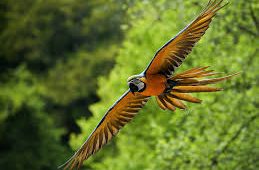
- Amazonian birds: From the tree branches to the shores of the lagoon, birds bring movement and color to the landscape. Their songs and flights are part of the experience of exploring the rainforest.
- Caimans: These reptiles are an important part of aquatic food webs. Observing them in their natural environment allows us to understand that every species plays a role within the ecosystem.
Monos y otros habitantes del bosque: En la vegetación que rodea la laguna también pueden encontrarse primates y otras especies amazónicas. Su observación depende de la temporada, la hora y las condiciones del recorrido.
3. The mystery of the waters of Laguna Grande
Have you ever wondered why some Amazonian waters have dark hues? In the various environments of Cuyabeno, water color can be linked to organic matter from vegetation, such as decomposing leaves and branches. As these materials release natural compounds, they can give the water brown or tea-like shades.
This phenomenon is part of the dynamics of Amazonian ecosystems and does not, in itself, indicate that the water is polluted.
Reflections of the forest on the surface can also intensify the dark appearance, creating a sense of depth and mystery.
At Laguna Grande, these colors contribute to the beauty of the landscape and invite us to observe more closely the natural processes that keep the Amazon alive.
4. A connection to Amazonian culture
Indigenous communities inhabit the Cuyabeno region, including the Siekopai people and Siona communities. Their knowledge of the environment, plants, animals, and natural cycles forms part of a living cultural heritage. Water plays a fundamental role in many Amazonian ways of life: it enables travel, the sourcing of food, and the maintenance of connections to the territory. Understanding the perspectives of local communities helps reveal that these landscapes are not empty spaces, but rather territories with their own histories, knowledge, and meanings.
5. An ecosystem that needs protection
The beauty of Laguna Grande is closely linked to the health of the surrounding ecosystems. Rivers, lagoons, and seasonally flooded forests function as interconnected systems. Fluctuations in water levels influence food availability, animal movements, and the living conditions of many species.
It also means safeguarding:
- Habitats for birds, mammals, fish, and reptiles.
- The vegetation that sustains food webs.
- Water quality and natural ecosystem processes.
- The territories and ways of life of local communities.